
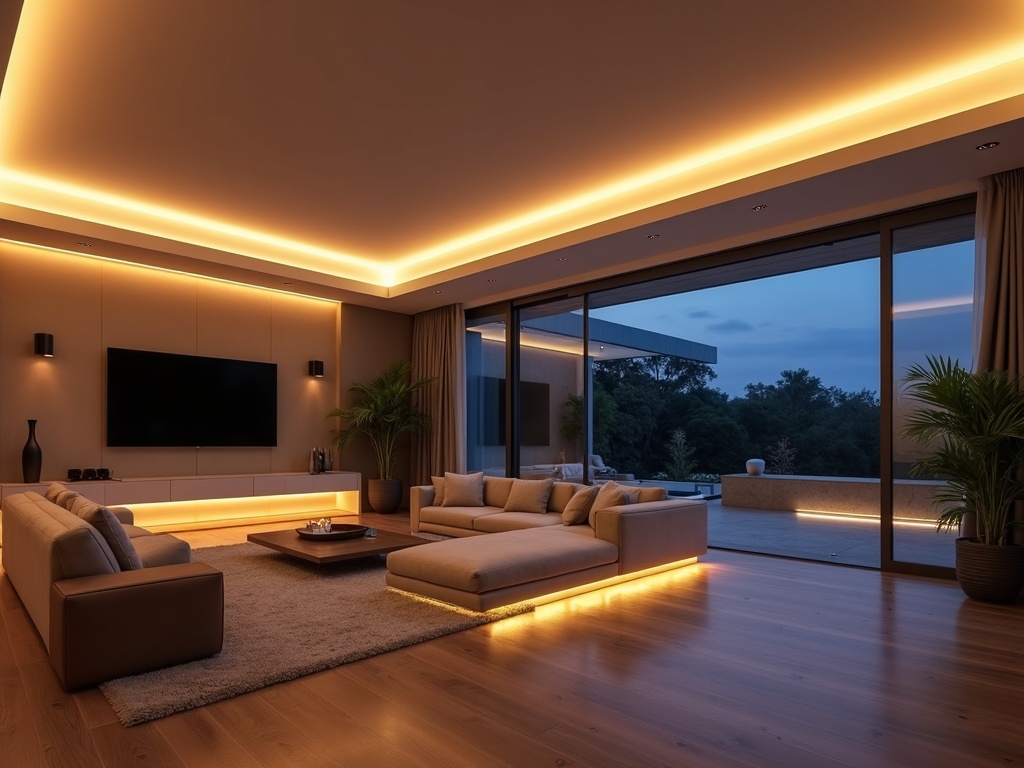
The Homeowners Guide to Installing Smart Lighting and Automation Systems
The Homeowners Guide to Installing Smart Lighting and Automation Systems
Installing smart lighting upgrades may not be as easy as it seems. While the box suggests swapping a switch, downloading an app, and using Alexa to dim the lights, what the packaging does not reveal is that a house constructed before the mid-1980s could have left out that one essential wire needed for the operation.
Before You Buy Anything, Check Your Wiring
The majority of smart switches demand a neutral wire to perform. This wire provides a constant low quantity of power that keeps the switch “online” even when the lights are switched off. However, older homes were simply wired with a loop that didn’t call for one. In the case of only two wires going into the box (line and load) instead of three or four, the number of options you’re able to install will be significantly reduced. A few manufacturers, such as Lutron Caséta, manage to operate without a neutral, but they need a unique smart bridge apparatus to achieve this. That also results in a higher price and another gizmo in the home.
Therefore, determine whether you’ve got a neutral wire ahead of giving a single item on your shopping list. Just eliminate the face of a few switches through the household and take a look at the white wire bundled separately at the back of the box. If it’s missing all over the place, you have to take that into account. You may wish to speak with an electrician first, if needed, to help you understand. Going onto websites such as https://oldtownelectricinc.com, for example, will help you.
Smart Switches Beat Smart Bulbs For Permanent Fixtures
Experienced installers often recommend smart switches for ceiling fixtures and other hardwired fittings. The reason is simple: smart bulbs need constant power to maintain their network connection. Give an off-the-shelf smart bulb some not-smart power loss and it’s just an expensive LED. There’s no point to automation if the light can’t turn on in the first place.
A good smart switch moves the smarts to your wall and keeps the bulb powered. The switch lets you dim and control the bulb at the circuit level. The automation runs every time, whether they tapped your phone, your smart assistant or walked over and tapped the light.
The one thing to be careful about: not every smart dimmer plays nice with every LED. Cheap LEDs on a smart dimmer flicker badly, or hum. Before you make that bulky buy, do a quick search for the compatibility list and make sure your bulb type is on it. Most companies publish their list online.
Map Your Signal Coverage Before You Start Installing
A smart home device that disconnects every 20 minutes can be incredibly frustrating. Prep for installation by using your phone to determine Wi-Fi strength in rooms you’ll be upgrading, dead zones near outside walls, garages, and basements are common.
If you’re installing more than a few devices the Wi-Fi versus hub-based Zigbee or Z-Wave decision comes into play. Zigbee and Z-Wave devices create a mesh network, every device in the chain helps transmit the signal to the next one, which means coverage increases as you add more devices. Wi-Fi puts more strain on your router and dead zones are more prevalent. But it’s simpler to set up.
A hub like Samsung SmartThings can manage both types and it processes automations internally so they still work even if your internet is offline.
Build Scenes, Not Individual Controls
After you get the hardware installed, almost everyone does the same thing wrong: they one-off control bulbs and switches in some app. That’s not automation. That’s just a more complex light switch.
The right way to design any system that affects lighting in your house is with scenes and layered lighting. A goodnight scene might turn every light in your house off, lock the door, and set the bedroom to 10%, a single tap or voice. A movie mode scene might set the living room to 30%, turn off the hallway, and set a bias light behind the tv. Geofence a welcome home scene to trigger every day that your phone comes within 500 feet of the house.
First, group all of your devices in rooms and zones. Then, design scenes around how your house already operates with as few people actually interacting with your lights as is possible. Every one of your partners is like water, they pick the path of least resistance. If turning a light on or off without your automation system is less work than finding your phone, unlocking the app, and getting to the switch or bulb. Guess what. You just lost a partner.
Know When to Stop and Call Someone
Installing a single smart switch on a standard circuit is a perfectly reasonable DIY project for someone comfortable doing basic electrical work. But, always kill power at the circuit breaker panel first, and use a simple non-contact voltage tester to confirm the wires are dead before doing anything. Don’t guess. The tester costs about $15 and removes all doubt.
Three-way and four-way switch configurations, the kind that allow you to control one fixture from multiple locations, are a different story. While not particularly complicated, the logic used to wire them is more difficult for the untrained to understand, and a mistake here can result in live objects that should be dead, or devices that don’t work. Projects that involve running new wire, changing an electrical service panel, or installing a new circuit are also definitely beyond the DIY realm.
Electrical distribution and lighting equipment is involved in approximately ten percent of all reported home structure fires (National Fire Protection Association). Smart lighting done correctly reduces that risk. Done haphazardly, it increases it.
The technology is cool, but all this smart technology is built on top of good old-fashioned electricity, and electricity, as you may remember from high school physics, can kill you. Treat it with the respect it deserves.
