
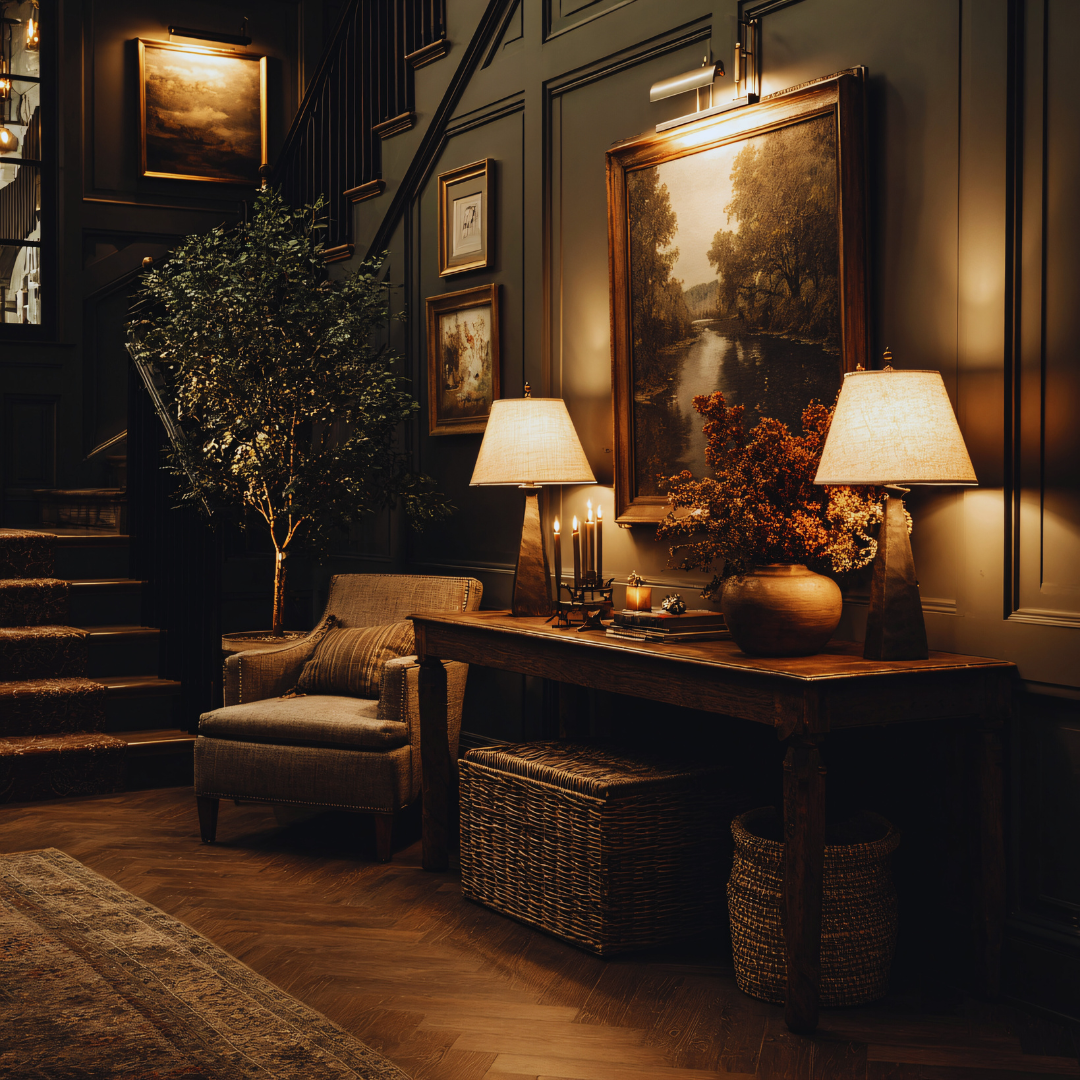
How to Create a Warm Home Feel With Simple Design Tips
Creating a warm home feel starts with intentional choices that make a space inviting and comfortable. Incorporate soft textures, warm lighting, and personal touches to cultivate an atmosphere that feels both cozy and welcoming. These elements work together to transform any room into a comforting retreat.
Small changes can make a big difference, from adding throw blankets and area rugs to selecting colors that evoke warmth. Including items with sentimental value also enhances the emotional connection to your space, giving it a true sense of home.
Understanding the Elements of a Warm Home
Creating warmth in a home involves a careful balance of sensory and visual factors that invite comfort and relaxation. Key aspects include defining the feeling of warmth in design, recognizing physical features that enhance coziness, and understanding the emotional benefits these elements provide.
Defining Warmth in Interior Design
Warmth in interior design refers to a space that instantly feels inviting and comfortable. This is often achieved through the use of warm color palettes, such as earth tones, soft reds, and muted yellows. These colors create a sense of energy that is calming rather than overwhelming.
Materials also play a crucial role. Natural elements like wood, wool, and soft textiles add tactile warmth. Lighting should be soft and layered, using lamps and candles instead of harsh overhead lights. The goal is to make a space feel lived-in and approachable without clutter.
Identifying Core Features of Cozy Spaces
Several tangible features contribute to making a home feel cozy. These include textural variety, such as plush cushions, thick rugs, and cozy throws. Furniture with rounded edges and informal arrangements encourages relaxation and conversation.
Temperature is critical; maintaining a comfortable room temperature and incorporating heat sources like fireplaces or heated blankets brings literal warmth. Window dressings that block drafts and allow natural light also enhance the feel of security and comfort.
| Feature | Effect on Warmth |
| Soft Textiles | Adds tactile comfort and visual appeal |
| Layered Lighting | Creates soft, inviting ambiance |
| Natural Materials | Brings organic warmth |
| Comfortable Layout | Encourages relaxation and connection |
Psychological Benefits of a Warm Home
A warm home positively impacts mental and emotional well-being. It fosters feelings of safety and reduces stress by providing a sanctuary from external chaos. Warm environments support social bonding by encouraging residents and guests to linger and connect.
This atmosphere can improve mood by triggering the release of oxytocin, known as the bonding hormone. Warm spaces also promote better sleep and relaxation, contributing to overall health. Thus, warmth is not only aesthetic but fundamentally linked to psychological comfort.
Choosing Warm Color Palettes
Warm color palettes create a cozy and inviting atmosphere. Using the right tones and combinations can enhance a room’s comfort without overwhelming the space.
Best Warm Tones for Living Spaces
Start with earthy shades like burnt orange, terracotta, mustard yellow, and deep reds. These colors evoke warmth and encourage relaxation. Softer tones like peach or warm beige also add subtle warmth without dominating a room.
Avoid overly bright hues that can feel harsh or agitating. Instead, choose muted, rich colors. These work well on walls, upholstery, or rugs to establish a base warmth.
Incorporating Accent Colors
Accent colors add interest and prevent a warm palette from feeling flat. Use deep greens, charcoal grays, or navy blues as accents with warmer tones. These provide contrast without cooling the space too much.
Introduce accents through pillows, throws, artwork, and small decor items. Keep accent colors limited to 1-2 complementary hues to maintain cohesion and avoid visual clutter.
Balancing Neutrals and Warm Shades
Neutral colors like taupe, cream, and soft gray balance warmth by giving the eye a place to rest. Use neutrals on larger surfaces like walls or flooring to prevent overwhelming the space.
Pairing warm tones with neutrals creates depth and keeps rooms feeling open. For example, a warm terracotta sofa against cream walls achieves warmth without making the room feel smaller or darker.
Layering Textures and Materials
Combining different textures and materials creates depth and comfort in any space. Focus on tactile experiences and visual contrasts to make your home inviting.
Selecting Soft Furnishings
Choose cushions, curtains, and upholstery in varied fabrics like velvet, linen, or cotton. Velvet adds richness and softness, while linen offers a relaxed, breathable feel. Mix textures within a similar color palette to maintain cohesion without monotony.
Pay attention to scale and pattern. Large-scale textures balance well with finer details, such as embroidered cushions or woven fabrics. Avoid overly synthetic materials, which can feel cold or cheap; natural fibers generally age better and improve comfort.
Incorporating Natural Materials
Wood, stone, and plants bring organic warmth that complements softer textiles. Opt for raw or lightly treated wood for furniture or decorative accents. Its grain and texture add visual interest.
Stone surfaces, such as a fireplace surround or countertop, introduce a sturdy, tactile element. Incorporate greenery with potted plants or trellises to add life and subtle texture contrast.
Using Rugs and Throws
Rugs anchor spaces and define areas, adding both color and texture. Layer rugs of differing textures or pile heights for dimension—wool over jute, for example. Select rugs that balance durability with softness.
Throws are practical and decorative. Drape chunky knit or faux fur throws over sofas or chairs for instant warmth. Rolling or folding throws neatly maintains a tidy appearance while inviting touch.
Lighting for a Cozy Ambiance
Good lighting balances brightness and softness to create a relaxing environment. Choosing the right bulbs and arranging lights strategically enhances comfort and warmth in any room.
Optimal Lighting Techniques
Layered lighting combines ambient, task, and accent light to provide flexibility and depth. Ambient lighting offers overall illumination, usually with ceiling fixtures or wall sconces.
Task lighting targets specific activities like reading or cooking. Desk lamps and under-cabinet lights are common examples.
Accent lighting highlights artwork, plants, or architectural features. Use directional spotlights or LED strips for subtle emphasis.
Dimmers allow control over light intensity, helping to adjust the mood throughout the day. Avoid harsh overhead lights that can feel cold or clinical.
Selecting Warm Light Bulbs
Warm light bulbs typically emit light with a color temperature between 2700K and 3000K. This range produces a soft, yellowish glow that’s easier on the eyes and creates a sense of warmth.
LED bulbs with a CRI (Color Rendering Index) above 80 reproduce colors naturally, enhancing the home’s cozy look.
Choose bulbs labeled “warm white” or “soft white” to avoid bluish light tones common in daylight bulbs.
Bulb shape and size affect the spread and feel of light. Round or globe bulbs deliver more uniform light, while Edison-style bulbs add a vintage, intimate vibe.
Creating Zones with Lighting
Dividing a room into lighting zones helps tailor light to specific uses and atmospheres. For example, combine dimmable overhead lights with brighter task areas.
Use floor lamps near seating for gentle illumination. Table lamps add warmth to bedside or side tables, creating inviting nooks.
Zonal control switches or smart lighting systems provide easy options to adjust each zone independently. This flexibility lets you brighten the kitchen for cooking and dim the living room for relaxation.
Properly placed lights avoid shadows and dark corners, making the space feel larger and more inviting.
Personal Touches and Home Decor
Adding meaningful elements to your space creates a sense of belonging and comfort. Thoughtful arrangement of cherished items enhances warmth and reflects your personality.
Displaying Personal Memories
Photographs, souvenirs, and heirlooms bring stories to your walls and shelves. Use photo frames with consistent styles or mix vintage and modern frames to add character.
Consider a memory wall featuring:
- Family photos
- Travel keepsakes
- Handmade crafts
Displaying these in clusters or grids allows easy viewing and creates a focal point.
Shelves or mantels can hold small objects like tickets or postcards, preserving moments in everyday sight. Rotate items seasonally to keep your space fresh and meaningful without clutter.
Showcasing Art and Crafts
Incorporating art you love or have created makes a home feel unique. Select pieces that inspire or calm you, whether paintings, textiles, or sculptures.
Use wall space efficiently by balancing large paintings with smaller artworks. Consider gallery walls with uniform frames for a sleek look.
Handmade crafts add texture and depth. Display woven baskets, pottery, or DIY projects on stands or shelves. These tactile elements draw interest and emphasize a lived-in, warm atmosphere.
Scents and Sounds for a Welcoming Atmosphere
The right aromas and auditory elements can instantly transform your home environment. Selecting specific fragrances and sounds helps craft a space that feels inviting and comfortable to both residents and guests.
Choosing Home Fragrances
Selecting home fragrances depends on the mood you want to establish. Popular options include lavender for relaxation, citrus scents like lemon or orange for energy, and warm spices like cinnamon or clove to evoke coziness.
Use essential oil diffusers, candles, or soy wax melts to disperse these scents evenly. Avoid overpowering fragrances; subtlety is key. Natural scents from fresh flowers or herbs can also add freshness without artificial smells.
Be mindful of the allergies or sensitivities of household members or visitors. Rotate scents seasonally to keep the environment feeling fresh and appropriate.
Setting the Mood with Music and Sounds
Background sounds influence how warm and welcoming a home feels. Soft, instrumental music like acoustic or classical genres encourages calmness and comfort.
Consider ambient sounds such as rain, ocean waves, or crackling fire noises. These add natural, soothing layers without demanding attention.
Use a dedicated speaker system or smart home device to control volume easily. Avoid loud, fast-paced music that interrupts relaxation or conversation flow.
Create playlists that last about 1-2 hours for continuous background ambiance. Testing different sounds ensures the right balance for your space.
Seasonal Updates for Lasting Warmth
Incorporating seasonal changes into your home’s decor and routines ensures continuous comfort. Thoughtful adjustments in textiles and accessories maintain a warm atmosphere, no matter the weather.
Adapting Decor for Different Seasons
Switch out heavy winter fabrics like wool and velvet for lighter cotton or linen in spring and summer. Use colors that reflect the season: warmer tones such as burnt orange and deep reds for fall, and cooler pastels for warmer months.
Add seasonal elements like throw pillows, blankets, or rugs that suit the current climate. Consider swapping curtains for lighter, sheer fabrics in summer to let light in, and thicker drapes in winter for insulation.
Introduce natural accents—pinecones or dried leaves in autumn, fresh flowers or greenery in spring—to enhance the seasonal feel. These small changes keep your decor fresh and aligned with the environment.
Maintaining Coziness Year-Round
Layering is crucial. Combine area rugs, throw blankets, and cushions to create multiple levels of warmth. Even in warmer months, lightweight throws provide comfort on cooler evenings.
Manage lighting to support warmth psychologically. Use warm-hued bulbs and adjustable lighting to mimic natural light cycles. Candles and fireplaces also add visual and physical warmth.
Regularly check insulation around windows and doors. Simple weather stripping or draft stoppers can prevent heat loss, making your efforts in decorating more effective in maintaining a cozy environment.
Organizational Strategies for Comfort
A well-organized home promotes ease and warmth by reducing stress and improving daily routines. Focusing on efficient decluttering and designing functional, inviting spaces creates a foundation for comfort and relaxation.
Decluttering Efficiently
Start by sorting items into clear categories: keep, donate, recycle, and discard. This prevents indecision and speeds up the process.
Use the “one in, one out” rule to maintain balance; for every new item, remove something old. Store seasonal or rarely used items in labeled bins, keeping them accessible but out of sight.
Prioritize open surfaces and clear walkways. A clutter-free environment allows natural light to flow and creates a calming atmosphere.
Creating Functional, Inviting Spaces
Choose furniture that fits the size of the room and supports daily activities without crowding. Multipurpose pieces, like ottomans with storage, maximize space and maintain tidiness.
Arrange seating to encourage conversation and comfort, with soft textiles like cushions or throws to enhance warmth. Incorporate accessible storage solutions such as baskets or shelves near entryways or living areas for convenience.
Keep frequently used items within arm’s reach to reduce frustration and improve flow. Balance practicality and coziness for a truly inviting home.
Sustainable Practices for a Warm Home
Incorporating sustainable practices into your home design helps maintain warmth while reducing environmental impact. One effective method is improving insulation using eco-friendly materials like sheep’s wool or recycled denim. These options enhance heat retention without harmful chemicals.
Using energy-efficient appliances and lighting lowers energy consumption and keeps the house cozy. LED bulbs and Energy Star-rated heaters offer long-term savings and consistent warmth.
Natural ventilation techniques also play a role. Opening windows during the warmth of the day and closing them at night can regulate temperature without depending heavily on heating systems.
Consider adding indoor plants. Besides improving air quality, they contribute to a sense of comfort and warmth.
| Practice | Benefit | Example Materials/Devices |
| Eco-friendly insulation | Retains heat efficiently | Sheep’s wool, recycled denim |
| Energy-efficient lighting | Lowers energy use, consistent warmth | LED bulbs, Energy Star heaters |
| Natural ventilation | Regulates temperature naturally | Window management |
| Indoor plants | Enhances atmosphere and air quality | Pothos, snake plant |
By prioritizing these strategies, a home can feel warm, inviting, and environmentally responsible.
