
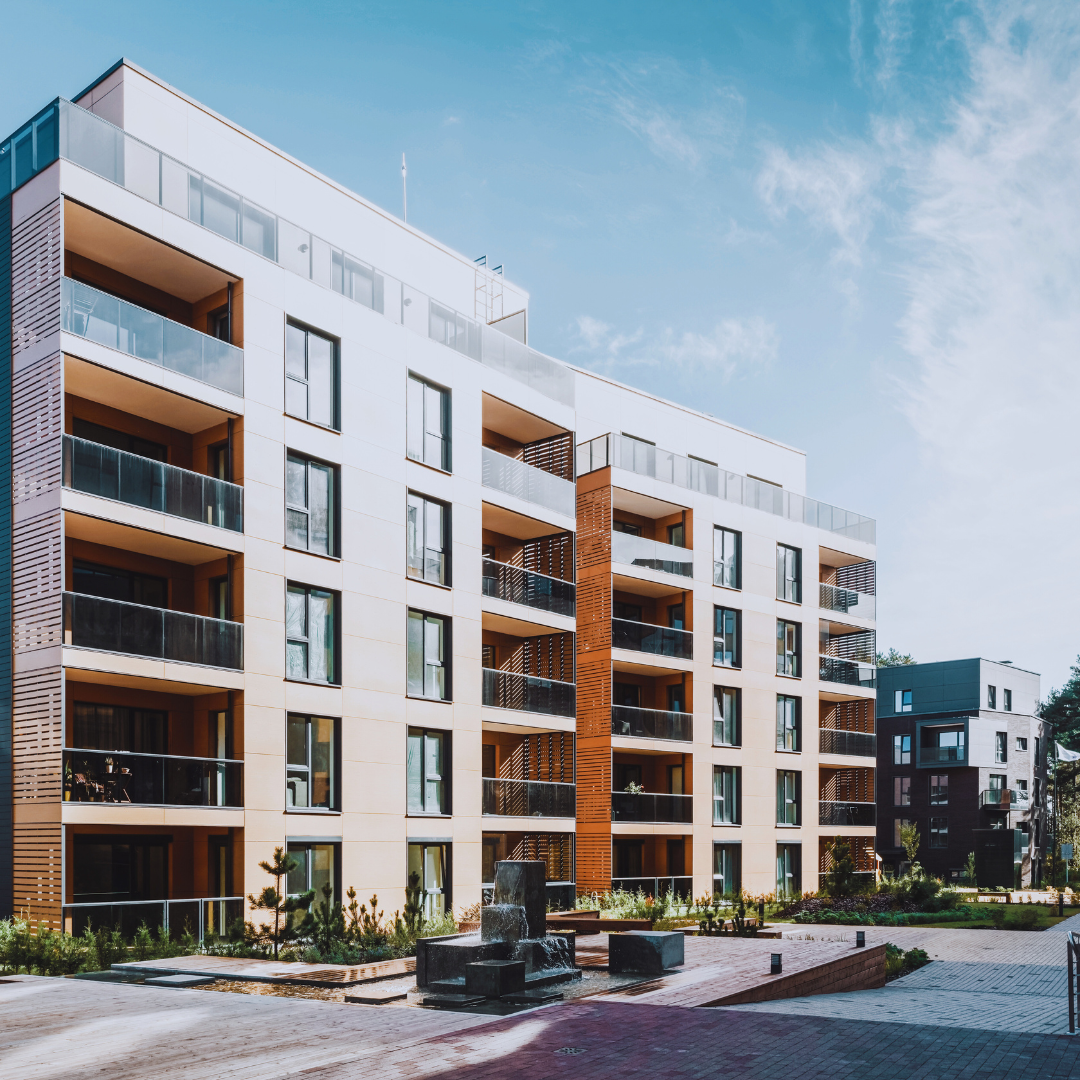
The Latest Trends in Home Exterior Design: Embracing Modern Aesthetics and Sustainability
The world of home exterior design is constantly evolving, influenced by changing tastes, technology, and environmental considerations. Current trends highlight a blend of sustainability, minimalist aesthetics, and smart technology integration, making homes not only visually appealing but also more functional and eco-friendly. These elements reflect modern homeowners’ desire for both style and practicality in their living spaces.
Natural materials are making a strong comeback, with homeowners opting for wood, stone, and metal finishes that enhance the home’s connection to its surroundings. This shift towards organic and timeless materials creates a warm and inviting atmosphere while maintaining durability and low maintenance.
Additionally, outdoor living spaces are becoming extensions of the home, incorporating features like outdoor kitchens, living areas, and fire pits. This trend encourages homeowners to invest in their exteriors, blending comfort and style while maximizing the use of available space.
Key Elements of Modern Home Exterior Design
Modern home exterior design focuses on combining functionality with aesthetics. Key elements include the use of innovative building materials, thoughtfully designed windows and shutters, and an emphasis on maximizing natural light.
Building Materials and Innovative Roofing
Modern homes often utilize a mix of materials to enhance durability and visual appeal. Wood, metal, and composite materials are popular choices due to their resilience and low maintenance. Innovative roofing options include flat roofs, which can support rooftop gardens, and asphalt shingles, known for their longevity. Eco-friendly options like solar tiles are also gaining traction, offering energy efficiency alongside modern aesthetics.
These materials not only contribute to the home’s appearance but also optimize energy performance through better insulation and weather resistance.
Windows and Shutters
Contemporary window designs emphasize large panes and sleek frames, promoting a seamless connection between indoors and outdoors. Quality windows are essential for energy efficiency, featuring dual or triple glazing to minimize heat loss.
Shutters serve both functional and decorative purposes. They can enhance curb appeal while providing privacy and security. For homeowners seeking extra durability and protection, options like solid shutters can be a practical choice, offering a sturdy barrier against harsh weather while still contributing to the home’s aesthetic. Additionally, custom designs allow homeowners to choose styles that complement the architecture, giving a personal touch to the exterior. Innovative window placements, like corner windows, create dramatic focal points and enhance natural light.
Natural Light and Modern Architecture
Natural light plays a crucial role in modern exterior design. Architects often incorporate expansive windows and open layouts to ensure a well-lit environment. This approach minimizes the need for artificial lighting during the day. Roof overhangs and garden awnings are designed strategically to control sunlight exposure, reducing heat buildup in summer months.
Materials with reflective qualities can amplify illumination, improving energy efficiency and visual comfort. Integrating skylights is also an effective way to flood interiors with natural light while maintaining privacy.
Emerging Trends in Home Exteriors
Recent shifts in home exterior design emphasize a connection to nature and a desire for personalized aesthetics. Homeowners increasingly prefer natural colors, innovative landscaping, and bold choices.
Earthy Tones and Natural Look
Earthy tones are gaining popularity, as they create a calming and inviting atmosphere. Shades like soft browns, greens, and muted tans blend seamlessly with the environment. This palette not only enhances the beauty of the home but also promotes a sense of tranquility.
Natural materials such as wood, stone, and clay are commonly used to achieve this look. These materials not only provide durability but also contribute to sustainability. By incorporating textured surfaces and organic shapes, homeowners can enhance visual interest while maintaining a grounded appearance.
Biophilic Design and Landscaping
Biophilic design focuses on the connection between people and nature. This trend includes features like windows that offer scenic views, outdoor living spaces, and the integration of plant life in the home’s facade.
Landscaping plays a crucial role in biophilic design. Homeowners are opting for native plants that require less maintenance and provide essential habitats for wildlife. Online stores like American Native Plants tend to provide a wide range of native species that can serve different purposes for homeowners. This often makes it easier for people to access sustainable options without having to rely solely on local nurseries. Additionally, elements such as living walls, green roofs, and outdoor gardens help bridge indoor and outdoor spaces, creating a serene environment.
Furthermore, to fully realize the benefits of biophilic design, many homeowners seek the expertise of professionals specializing in landscape design las vegas (or elsewhere). These specialists often combine creativity and technical knowledge to craft outdoor spaces that are both beautiful and sustainable, expertly blending natural elements with the home’s overall architectural style. They also take local climate and ecological conditions into account to ensure the landscapes thrive year-round.
Dark Colors and Painted Brick
Dark colors, including navy, charcoal, and deep green, are becoming prominent choices for home exteriors. These shades add sophistication and drama while allowing other elements, such as landscaping, to stand out.
Painted brick surfaces in these darker hues are particularly trendy. This approach provides a modern twist on traditional materials. Homeowners appreciate the durability of brick combined with a unique aesthetic that differentiates their homes from others in the neighborhood.
Enhancing Curb Appeal Through Outdoor Spaces
Creating inviting outdoor spaces significantly boosts curb appeal. Thoughtful designs can transform any exterior, making the home more attractive, functional, and enjoyable.
Outdoor Living Spaces and Furniture
Outdoor living spaces extend the home’s usable area and provide a welcoming environment. Features like patios, decks, or terraces make excellent first impressions. They invite guests to linger and enjoy the surroundings.
Furniture selection plays a crucial role in this area. Comfortable seating arrangements, such as sectionals or lounge chairs, encourage relaxation. Durable, weather-resistant materials ensure the furniture withstands the elements while maintaining aesthetic appeal. Accessories like throw pillows or outdoor rugs can add color and style.
In addition, landscaping complements outdoor furniture. Well-placed plants, shrubs, and flowers can create a cohesive look, enhancing the overall charm. Incorporating elements like fire pits or outdoor heaters extends the usability of these spaces into cooler months.
Outdoor Kitchens and Lighting
Outdoor kitchens elevate practicality and enjoyment in outdoor areas. They allow homeowners to entertain without feeling confined indoors. Key features include grills, pizza ovens, and counter spaces for food preparation.
Lighting serves both functional and aesthetic roles in outdoor kitchens. Well-planned lighting enhances safety while cooking or dining. Options like string lights, path lights, and LED fixtures can create an inviting atmosphere.
Moreover, integrating lighting can emphasize desirable landscape elements, drawing attention to intricate designs. Installing dimmable features allows for adjusting brightness based on occasions. Together, outdoor kitchens and effective lighting foster an appealing, vibrant exterior that encourages social gatherings.
Popular Styles and Materials for Modern Exteriors
Current trends in home exterior design emphasize a mix of styles and innovative materials. This section explores modern and traditional farmhouse aesthetics, durable siding options, and how new construction embraces these trends.
Modern Farmhouse and Traditional Farmhouse
The modern farmhouse style combines rustic charm with contemporary design. Key characteristics include large front porches, open floor plans, and the use of natural materials. Colors are often kept neutral, providing an inviting backdrop.
Traditional farmhouses feature wood siding and gabled roofs, symbolizing timeless country living. These designs reflect simplicity and functionality, using weathered finishes to evoke nostalgia. Mixing elements from both styles can create a unique aesthetic that appeals to various homeowners.
Engineered Wood, Fiber Cement, and Vertical Siding
Engineered wood and fiber cement are gaining popularity for exterior applications. Engineered wood is a composite material that offers the look of natural wood with improved durability. It resists rot and insects, making it an excellent choice for humid climates.
Fiber cement siding is highly durable and fire-resistant, available in various textures and colors. It mimics wood but requires less maintenance over time.
Vertical siding is also trending, giving homes a modern silhouette. This style can highlight the home’s height and create an eye-catching profile. Homeowners often pair vertical siding with traditional materials for visual interest.
Incorporating Trends in New Construction
New construction projects increasingly reflect current design trends. Builders utilize a combination of materials inspired by farmhouse aesthetics and modern technology. Homes are designed to be energy-efficient, often incorporating sustainable materials and smart home features.
Designers encourage open layouts and flexible spaces to adapt to contemporary lifestyles. Outdoor living areas are emphasized, seamlessly integrating interior and exterior spaces. Trends like gray and white color palettes remain favored, providing a clean and modern appearance. Innovative building techniques and materials are essential for achieving these styles while maintaining durability and energy efficiency.
