
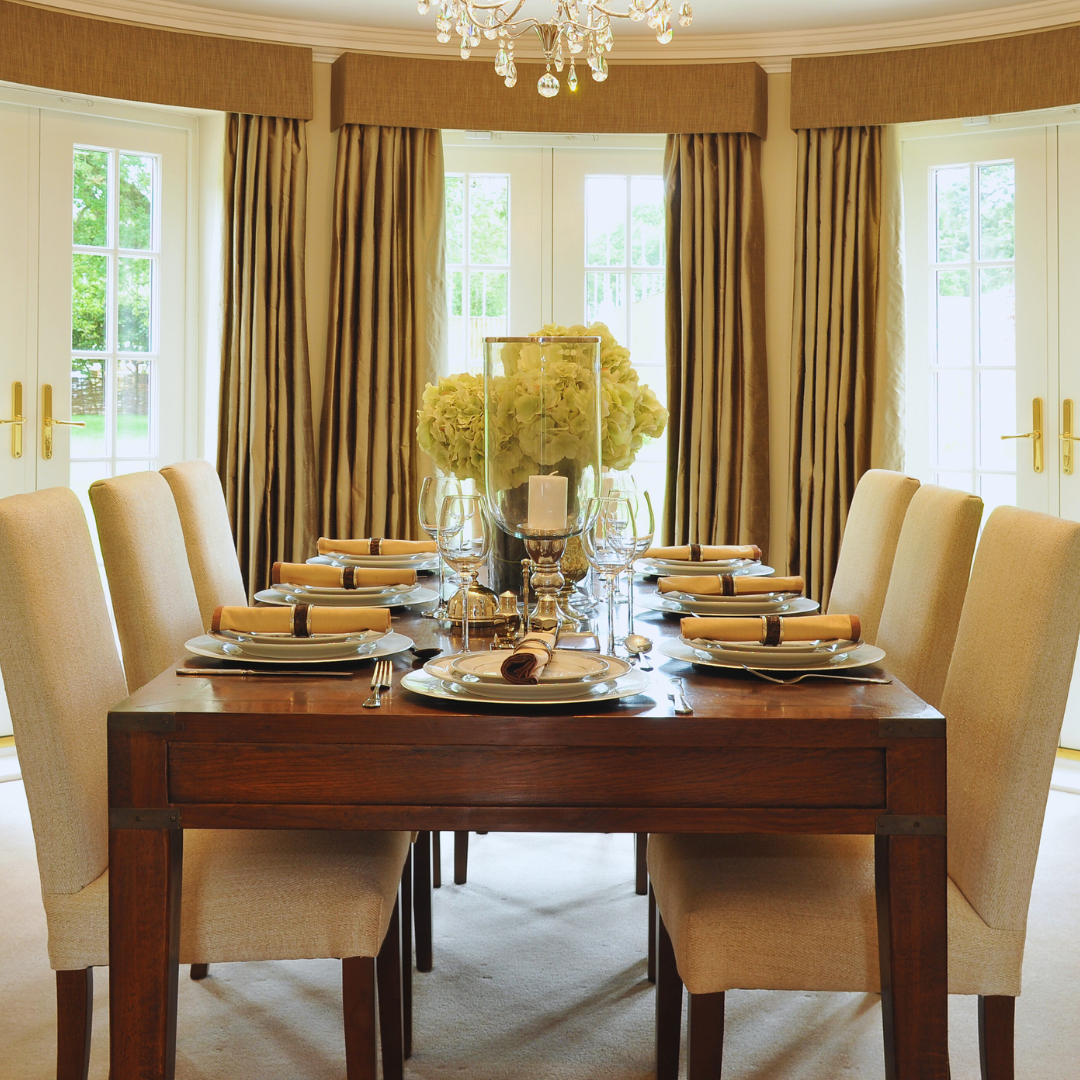
Dining Table Setup Ideas for Elegant Dining Experiences
Creating an inviting dining space can transform a simple meal into a memorable experience. A well-thought-out table setup adds charm and enhances the overall decor of any home. Incorporating diverse elements such as tableware, centerpieces, and seasonal accents can not only elevate the aesthetic but also provide visual interest.
When designing a dining table arrangement, it is essential to strike a balance between functionality and style. Different themes, such as rustic, modern, or elegant, can guide the choice of colors and materials, ensuring that the setup aligns with the home’s decor. Incorporating varied heights and textures in the arrangement can create a dynamic look that captures attention.
Each dining table setup idea can serve as a canvas, allowing for personal expression while also considering the needs of guests. Thoughtful placement of items, like plates, cutlery, and decorative pieces, can enhance the dining experience. Additionally, incorporating luxury homeware such as chic placemats or gold-plated coasters can further elevate the sophistication of the dining table. Exploring creative setups encourages individuals to experiment, making every meal an opportunity for them to showcase their unique style.
Choosing the Right Dining Table
Selecting the ideal dining table involves careful consideration of size, material, and style.
For instance, those looking for a rustic yet classic option can opt for something like a farmhouse table that can create a warm and inviting atmosphere in the dining room. Knowing how to choose the right farmhouse table can involve consideration of the room size, seating needs, and durability of the table material.
On the other hand, if someone is opting for a modern or elegant aesthetic, they can look at tables made up of marble or glass.
Standard store options often limit your choices to fixed sizes and common materials. Many homeowners find that a custom piece fits their specific room layout much better. You can choose the exact wood type and finish that matches your other furniture. Investing in Bespoke Dining Tables allows for a level of personalization that mass-produced items lack. This approach enables the table is a perfect fit for both your daily meals and larger gatherings. It makes the dining area feel more intentional and personal.
Ultimately, the right dining table is the one that balances function, style, and the aesthetic of the home.
Sizing and Proportion
The dimensions of a dining table must align with the room’s proportions. A standard dining table height is typically 28 to 30 inches, suitable for most dining chairs.
Length and Width Guidelines:
- For 4-6 people: 3 to 5 feet long, 30 to 36 inches wide.
- For 6-8 people: 6 to 8 feet long, 36 to 48 inches wide.
It’s essential to allow 24 to 36 inches of clearance on each side for comfortable movement. Consider the shape of the table as well; round tables can create a cozy atmosphere in smaller spaces, while rectangular tables maximize seating.
Material and Style
The selection of material significantly influences durability and aesthetic appeal. Common materials include wood, metal, glass, and stone, each bringing unique characteristics.
Wood Options:
- Hardwoods: Oak, maple, and cherry offer durability.
- Softwoods: Pine is lighter and more affordable.
Glass Table these create an illusion of space but require regular cleaning. Metal frames can add a modern touch, while traditional dining rooms often feature wooden tables with intricate designs.
The style should match existing decor—contemporary, rustic, or traditional—and consider the overall theme of the home.
Table Setting Essentials
Creating an inviting dining experience relies heavily on the essentials of table setting. Key components include the choice of dinnerware, glassware, and flatware, each contributing to the overall aesthetic and functionality of the table.
Plates and Dinnerware
Dinnerware is a fundamental aspect of any table setting. Choose plates that complement the meal and occasion, whether casual or formal. For a formal table setting, use fine china or porcelain; these materials add elegance.
Optimal plate sizes typically include:
- Dinner plates: (10-12 inches) for main courses.
- Salad plates: (7-9 inches) for appetizers or salads.
- Dessert plates: (6-8 inches) for sweets.
In addition, consider incorporating placemats or a tablecloth to protect surfaces and enhance design. Fabrics such as cotton or linen can elevate the ambiance significantly.
Glasses and Stemware
Selecting the right glassware is vital for showcasing beverages. Stemware, such as wine glasses, is designed to enhance flavor and aroma. Different wines require specific glass shapes:
- Red wine glasses: have a larger bowl to allow aeration.
- White wine glasses: have a narrower bowl to maintain chill.
In addition to wine glasses, featuring a water glass is important for guests. For a polished look, consider matching all glassware styles. Choosing clear, crystal-like options can add a luxurious touch.
Flatware and Utensils
Flatware plays a crucial role in a functional and stylish table setting. The arrangement typically includes knives, forks, and spoons, with each piece placed according to its use.
For formal settings, follow this layout:
- Forks on the left (salad fork outside, dinner fork closer to the plate).
- Knives and spoons on the right (knife blade facing the plate, spoon following).
Ensure the utensils are polished to avoid any distractions from the meal. Incorporating serving utensils, like a large spoon or ladle, allows for ease in serving dishes. A well-set table reflects attention to detail and hospitality.
Decorative Details
Attention to decorative details can transform a dining table into a stunning centerpiece for any meal. The choice of centerpieces, table linens, and accent pieces plays a crucial role in setting the desired ambiance.
Centerpieces and Focal Points
Centerpieces serve as the heart of the table decor, drawing the eye and creating a focal point. A floral centerpiece in a vase can provide color and texture, while ceramic vessels can add a touch of elegance. For a dramatic effect, consider using multiple heights by incorporating candlesticks alongside flowers.
Using a cohesive color scheme that complements the overall dining room decor can enhance the aesthetic. Creative centerpieces can also include seasonal elements, like autumnal leaves or festive ornaments, which reflect the time of year.
Table Linens and Textures
Table linens set the foundation for the dining experience. A tablecloth or table runner introduces texture and can establish the tone. Choosing a fabric with an interesting texture, such as linen or burlap, adds depth to the table setting.
Layering is also important. For instance, pairing a simple tablecloth with an elaborate table runner creates a dynamic look. To maintain consistency, it is vital to ensure that the colors of the linens align with the chosen color scheme for the dining setup.
Accent Pieces and Extras
Accent pieces can elevate the dining table’s aesthetic while reflecting personal style. Items like decorative plates, unique serving bowls, or thematic napkin holders can add interest.
Incorporating candlesticks not only provides light but can also serve as a decorative element, especially if they are unique in design.
Additionally, placements of small votive candles or decorative stones can enhance the overall look. Choosing a few standout pieces, rather than overcrowding the table, ensures a clean yet appealing look.
Enhancing Ambiance
Creating a welcoming and visually appealing dining experience involves thoughtful choices in lighting, natural elements, and artistic additions. These elements play a significant role in establishing the atmosphere and enhancing the overall dining environment.
Mood Lighting
Lighting significantly influences the dining ambiance. Dim, soft lighting can create a cozy atmosphere, while brighter light promotes energy and conversation.
- Candlesticks serve as classic focal points. They add warmth and intimacy, especially during evening meals.
- String lights can bring a charming touch. Hanging them above the table or around the dining space adds a whimsical effect.
- Colored bulbs offer an opportunity to tailor the mood based on the season or occasion. For instance, warm amber tones work well in fall, while cool whites can create a fresh look in summer.
Adjusting light levels can also enhance the colors on the table, reflecting the chosen color palette.
Natural Elements
Incorporating natural elements can bring life to the dining setup.
- Plants and greenery infuse freshness into the space. They can be displayed in decorative pots or as centerpieces.
- Fresh flowers, arranged carefully, add color and fragrance. Seasonal flowers often carry a more vibrant aesthetic.
- Branches can introduce texture and an organic feel. Gather simple branches for a rustic charm or floral arrangements for vibrancy.
When choosing plants or flowers, consider the scale of the dining table. Smaller arrangements work well for intimate dinners, while larger setups can accommodate more elaborate displays.
Artistic Additions
Artistic touches can personalize the dining experience and align with the overall theme.
- Artwork hung nearby can set the tone for the meal. It can reflect culture, tastes, or seasonal themes.
- Table runners or unique placemats can introduce patterns and colors that tie into the decor.
- Using color-coordinated accessories—like napkins, dishes, and utensils—creates a polished look.
A well-thought-out arrangement of artistic elements can invite conversation and interest among guests. Consider changing decorations seasonally to keep the dining area feeling fresh and inspiring.
