
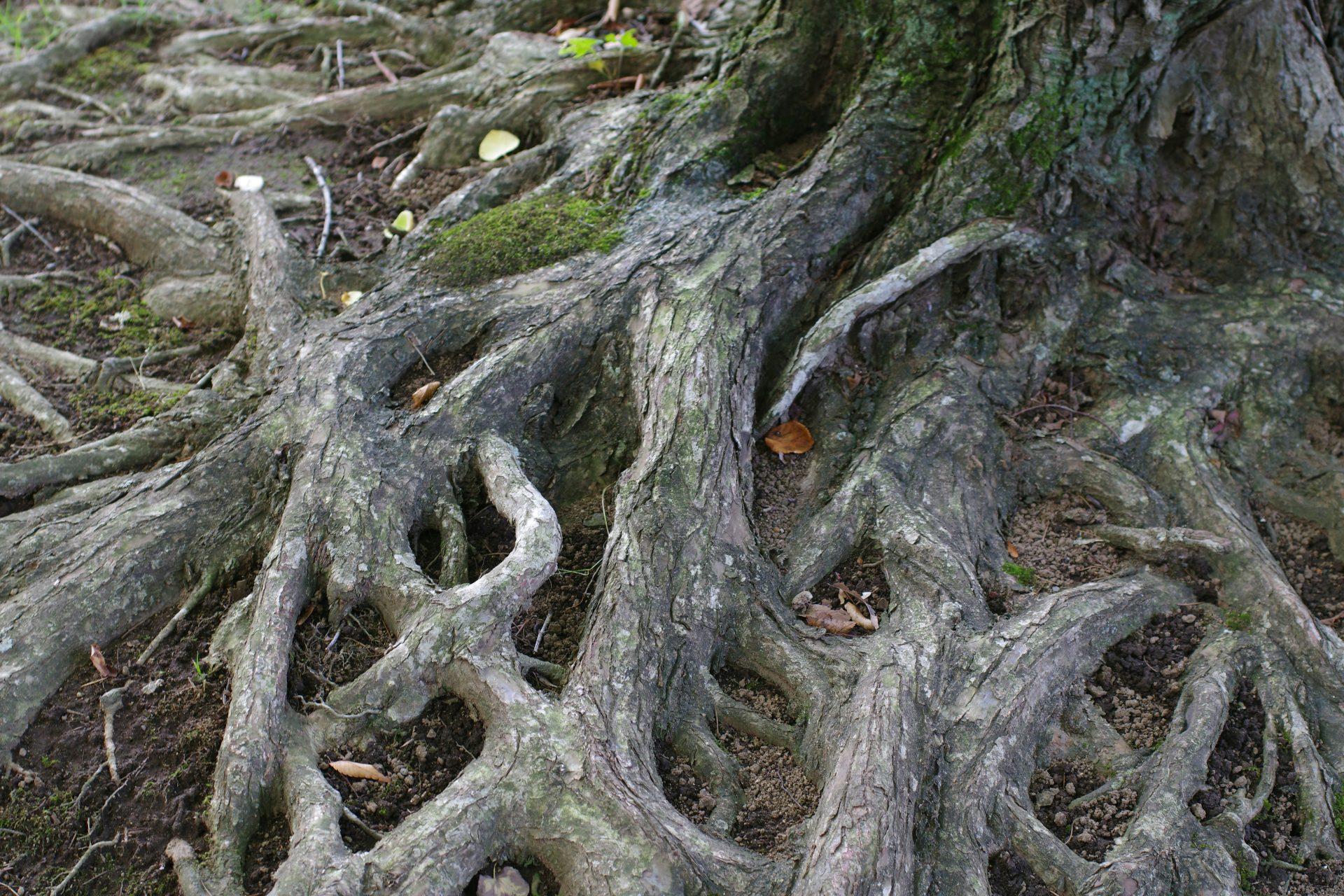
Can You Stop Tree Roots from Taking Over Your Lawn?
So, you’ve got a tree in your yard, and at first, everything seems great. It gives you shade, makes your space look nice, and maybe even attracts birds and squirrels. But then, out of nowhere, its roots start creeping across your lawn like they own the place. Suddenly, mowing the grass feels like an obstacle course, and your once-smooth yard looks like a twisted mess. So, what’s the deal? Why do some tree roots refuse to stay underground, and is there anything you can do to stop them? Let’s break it down.
Why Do Some Trees Have Surface Roots?
Not all trees send their roots to the surface, but some-like maples, birches, and willows-are known for it. These trees have shallow root systems, meaning their roots naturally spread out wide rather than going deep into the ground.
There are a few reasons why roots end up above the surface:
- They need oxygen. Just like us, tree roots need air to survive. If the soil is compacted or heavy with clay, they’ll grow closer to the surface where there’s more oxygen.
- They follow water. If water tends to collect near the surface-like after it rains-roots will grow toward it. This is common in areas with shallow or poorly draining soil.
- It’s just how some trees grow. Certain species are more likely to have surface roots no matter what you do. If you have a maple or a birch tree, surface roots are pretty much unavoidable.
- Soil erosion exposes roots over time. Even if roots start out underground, rain and wind can wash away the top layer of soil, leaving them exposed.
Are Surface Roots a Problem?
That depends. Some people don’t mind them, but they can cause a few headaches:
- They make mowing a nightmare. Running a lawnmower over exposed roots isn’t just frustrating-it can actually damage both the mower and the tree.
- They can mess up your grass. Grass struggles to grow when tree roots take over, leading to bare patches and an uneven lawn.
- They might crack sidewalks or driveways. While tree roots don’t “break” concrete the way some people think, they can push up under sidewalks or driveways, making them uneven over time.
- They can be a tripping hazard. If roots are big enough, they can turn your yard into a tripping hazard, especially for kids or older adults.
If any of these sound like a problem for you, you’re probably wondering what you can do about it.
What Can You Do About Surface Roots?
Here’s the short answer: You can’t make tree roots disappear completely, but you can manage them.
- Don’t Cut the Roots
You might be tempted to just chop the roots off, but that’s a bad idea. Cutting major roots can seriously hurt the tree, making it unstable or even causing it to die. Plus, removing roots won’t stop new ones from growing back.
- Add a Layer of Mulch
One of the best ways to deal with surface roots is to cover them with mulch. A few inches of mulch (like wood chips or shredded bark) can protect the roots, prevent soil erosion, and make the area look more natural. Just don’t pile mulch right up against the tree trunk-leave a little space so the tree can breathe.
- Grow Ground Cover Instead of Grass
Grass doesn’t grow well around surface roots, so instead of fighting a losing battle, try planting ground cover. Plants like ferns, hostas, or creeping thyme can handle growing near tree roots and will make your yard look nice without struggling to survive.
- Keep the Soil Moist
Dry, compacted soil encourages roots to grow toward the surface. Keeping your soil moist (but not too wet) can help roots stay underground where they belong. Just make sure you’re watering deeply rather than just sprinkling the surface.
- Install a Root Barrier
If you’re planting a new tree and want to prevent surface roots from becoming a problem later, you can install a root barrier. These barriers are made of plastic or metal and are placed in the ground to guide roots downward instead of outward. However, this only works when the tree is young-you can’t really install a root barrier around a mature tree.
- Choose the Right Tree for Your Yard
If you haven’t planted a tree yet but want one that won’t take over your lawn, pick a species with deep roots. Oaks, pines, and hickories tend to grow deeper roots than maples or birches. Doing a little research before planting can save you a lot of trouble later.
When to Call a Pro
If surface roots are causing serious problems – like damaging your driveway or making it impossible to mow your lawn – you might need professional help. A tree expert (called an arborist) can assess the problem and recommend the best way to manage the roots without harming the tree. Possible solutions often include careful root pruning, installing root barriers to redirect growth, or modifying the surrounding landscape to reduce stress on the tree. By hiring certified arborists, you ensure the issue is handled professionally and safely, protecting both your property and the tree’s long-term health and stability. Moreover, professionals can provide ongoing maintenance advice to prevent future root problems, helping your landscape remain healthy and well-maintained over time.
Ultimately, acting early can prevent more costly damage down the line and help keep your landscape thriving. By regularly inspecting and managing tree roots promptly, you not only protect your property but also promote the long-term health and stability of your trees. Furthermore, if you want to learn more about how roots behave and what to do about them, check out this Surface Rooting Guide for expert insights.
Can You Prevent Surface Roots Before They Start?
If you want to avoid dealing with surface roots later down the line, there are a few simple things you can do to lower the chances of them becoming an issue.
First, pick the right tree. Some trees naturally grow deeper roots than others. For example, oaks, pines, and hickories are standout options if you want to keep your lawn root-free. On the other hand, fast-growing trees like silver maples, willows, and birches tend to send their roots outward, often creeping above the surface over time.
Next, give your tree enough space. A lot of people plant trees too close to sidewalks, driveways, or grassy areas, not realizing how far the roots will spread as the tree grows. The more space your tree has, the less likely its roots will mess with your lawn or hardscaping.
Lastly, take care of the soil. As roots are more likely to stay underground when the soil is loose and well-draining. If you’re planting a new tree, mix in compost or organic matter to improve soil quality and help the roots grow downward instead of spreading across the surface.
The Bottom Line
Tree roots are just doing what they need to do to survive, but that doesn’t mean you have to let them take over your yard. While you can’t stop surface roots entirely, you can manage them by using mulch, planting ground cover, and keeping the soil healthy. And if all else fails, an arborist can help you figure out the best way to deal with tricky roots.
At the end of the day, trees are a big part of what makes a yard feel alive. A little effort to work with them-rather than against them-can make all the difference.
