
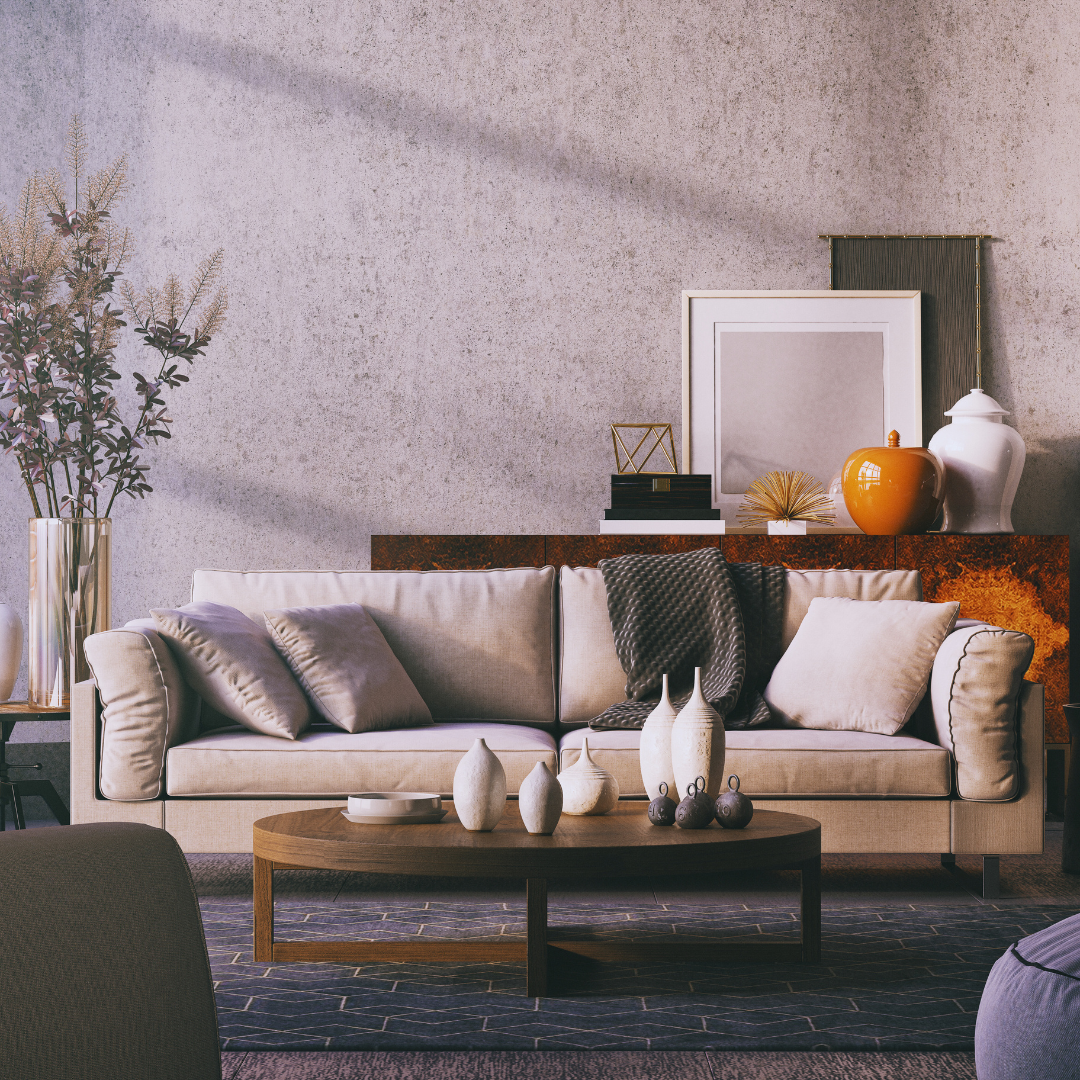
How to Create a Peaceful Home Space for Lasting Calm and Comfort
Creating a peaceful home space starts with intentional choices that reduce clutter, promote calm, and enhance comfort. A combination of organization, soothing colors, and natural elements can transform any room into a place of relaxation.
Lighting and sound also play important roles in setting a tranquil atmosphere. By adjusting these elements, you can create an environment that supports rest and focus.
Understanding how to balance simplicity with personal touches helps maintain this peacefulness daily. This guide will show practical steps to achieve that balance for a home that feels both calm and inviting.
Defining a Peaceful Home Space
A peaceful home space involves intentional choices in environment, mood, and functionality. Its value lies in creating calm, reducing stress, and improving daily life quality through clear elements, emotional effects, and mental health benefits.
The Core Elements of Peacefulness
Key components include minimal clutter, soft lighting, and natural materials. These reduce distractions and foster serenity.
Colors matter; soft neutrals or muted tones encourage relaxation. Textures like wood, cotton, or wool add warmth.
Air quality and sound control are essential. Good ventilation and noise reduction prevent discomfort and agitation. Functional organization supports ease in daily routines, enhancing comfort.
Plants may boost tranquility by connecting indoors to nature. Simple layouts that prioritize open spaces help maintain a breathable, calm atmosphere.
Impact on Well-Being
A peaceful home space supports physical and emotional health. Reduced noise and clutter lowers cortisol, the stress hormone.
Clean, organized spaces promote better sleep and improved focus. Feeling secure at home also helps regulate mood swings and combat anxiety.
Over time, such spaces can encourage healthier habits like mindfulness and regular rest. They create a refuge where recharging isn’t interrupted by unnecessary tension or chaos.
Living in a calm environment strengthens resilience. It indirectly supports productivity and social relationships by stabilizing emotional states.
Psychological Benefits
Peacefulness in the home reduces mental fatigue by limiting sensory overload. This supports cognitive clarity and decision-making.
A tranquil environment encourages emotional regulation, helping control irritability and frustration. It fosters a sense of control and safety essential for mental stability.
Neuroscientific research links calm surroundings with increased alpha brain waves, associated with relaxation. Such spaces also help prevent overwhelm and burnout.
Mindful design helps build routines that reinforce positive mental resilience. These benefits make a peaceful home a foundational tool for maintaining mental health.
Decluttering and Organization
Reducing excess items and creating clear systems are essential steps to promote tranquility in your home. Concentrate on practical methods to remove clutter, arrange belongings logically, and sustain that order with regular habits.
Practical Decluttering Strategies
Start by sorting items into three categories: keep, donate, and discard. Focus on objects used in the last six months to decide what to keep. This time frame ensures only necessary or meaningful possessions remain.
Use containers or boxes labeled for each category to keep the process organized. Avoid tackling the entire home at once—break it down room by room or by specific areas like closets or drawers. This prevents feeling overwhelmed and encourages steady progress.
Limit sentimental items to a small, designated space. This controls emotional clutter without eliminating meaningful belongings. Regularly reassess possessions to avoid accumulation over time.
Organizing for Calm
Assign a specific place for every item. Use shelves, bins, or drawer dividers to separate categories. Clear labeling makes finding things easier and reduces frustration.
Group similar items together. For example, keep all cleaning supplies in one cabinet or all mail in a single tray. This consistency creates a seamless flow and lowers visual noise.
Furniture with built-in storage is effective for keeping rooms tidy without sacrificing aesthetics. Open spaces combined with hidden storage contribute to a peaceful atmosphere.
Maintaining an Organized Environment
Set aside 10-15 minutes daily to tidy up key areas such as the kitchen counters and living room surfaces. Frequent, small efforts discourage clutter build-up.
Implement weekly routines for tasks like laundry, vacuuming, or organizing paperwork. Consistency solidifies order as part of your normal schedule.
Use a simple checklist to track maintenance tasks. This helps prevent forgetting important chores and keeps your environment in a steady state of calm.
Incorporating Natural Elements
Integrating elements from nature into a living space can promote tranquility and a grounded atmosphere. Focusing on greenery, light, and natural textures helps create an environment that feels fresh and calm.
Using Plants and Greenery
Introducing plants into the home improves air quality and adds a calming green presence. Choose low-maintenance plants like snake plants, pothos, or succulents if you have limited time for care. Group plants in clusters to create visual interest and a sense of cohesion.
Use a mix of sizes and leaf shapes to add depth. Placing plants near windows enhances their growth and ensures the space feels alive. Avoid overcrowding to maintain a clean and peaceful look.
Natural Light Optimization
Maximize natural daylight by keeping window areas clear of heavy drapes or bulky furniture. Use sheer curtains to diffuse light gently while maintaining privacy. Position mirrors opposite windows to reflect light deeper into rooms.
Consider the direction windows face; south-facing rooms get more light, while north-facing rooms might benefit from warmer light bulbs to balance gloominess. Regularly clean windows to ensure maximum light penetration.
Bringing Nature Indoors
Incorporate natural materials such as wood, stone, or bamboo in furniture and décor to foster a connection to the outdoors. Textiles like linen and cotton add softness while reflecting nature’s simplicity.
Decorate with objects like river stones, seashells, or woven baskets to underline organic textures. Avoid synthetic materials that can disrupt the natural harmony. Integrate these elements thoughtfully to avoid clutter and maintain a serene space.
Mindful Interior Design Choices
Creating a calm home environment starts with intentional design decisions that appeal to the senses and promote relaxation. Key factors include color selection, furniture placement, and thoughtful decor choices that reduce clutter and inspire tranquility.
Soothing Color Palettes
Colors profoundly influence mood and emotional well-being. Neutral tones like soft grays, beige, and whites serve as a reliable base, promoting calmness without distraction. Light blues and muted greens also work well, as they evoke nature and encourage relaxation.
Avoid overly bright or saturated colors in spaces meant for rest. Instead, choose shades with low chroma and moderate lightness. Matte finishes further reduce visual noise, preventing glare and harsh reflections.
Incorporating an accent color sparingly can add interest without overwhelming the space. For example, pale lavender or dusty rose can introduce subtle warmth while maintaining overall serenity.
Furniture Arrangement for Flow
The layout should support easy movement and openness. Position larger furniture pieces away from entryways to avoid obstruction. Leave clear pathways to create a natural flow throughout the room.
Arrange seating in a way that encourages conversation but doesn’t feel cramped. Avoid placing furniture directly against walls; instead, create small groupings to foster intimacy and comfort.
Keep the arrangement symmetrical when possible, as this helps balance the space visually. Decluttering surfaces and minimizing excess furniture also contribute to an uncluttered, peaceful atmosphere.
Selecting Calm-Enhancing Decor
Choose decor items that inspire calm rather than overstimulate. Natural materials like wood, stone, or linen add warmth and texture without introducing visual clutter.
Limit decorative objects to a few meaningful pieces per room to maintain simplicity. Incorporate elements like plants or soft lighting to enhance the sense of calm. Plants promote air quality and add a soothing green presence.
Decor with smooth, rounded edges is preferable to sharp or angular designs, as softer shapes are generally more relaxing to the eye. Textiles should be soft and tactile, including non-irritating fabrics like cotton or wool.
Creating Restorative Spaces
Designing spaces that foster calm involves attention to lighting, color, texture, and organization. Each area has unique needs to enhance relaxation and reduce stress.
Peaceful Bedroom Design
Start with soft, neutral colors like pale blues, greens, or warm grays to create a soothing atmosphere. Avoid harsh or overly bright tones that can disrupt rest.
Invest in quality bedding with natural fibers such as cotton or linen for breathability and comfort. Position the bed away from direct light sources and noisy areas.
Use blackout curtains or shades to block outside light. Incorporate minimal, clutter-free furniture to keep the space open and easy to move through.
Serene Living Areas
Choose calming colors like muted earth tones or pastels to maintain a relaxed mood. Arrange furniture to encourage conversation, but avoid overcrowding.
Introduce soft lighting through table lamps, dimmers, or candles to create warmth without glare. Use natural materials such as wood, wool, and cotton in upholstery and décor.
Keep surfaces tidy by using storage solutions like baskets or shelves. Plants can improve air quality and add a touch of nature without overwhelming the space.
Tranquil Outdoor Spaces
Opt for comfortable seating with cushions in neutral or cool colors. Incorporate natural elements like stone, wood, and water features to enhance sensory calm.
Create zones for quiet reflection with shaded areas or privacy screens. Use low-maintenance plants like succulents or native grasses to reduce upkeep and promote sustainability.
Strategic lighting with solar or LED fixtures helps extend usability without harsh brightness. Keep pathways clear and simple to maintain an inviting, orderly environment.
Minimizing Noise and Distractions
Creating a peaceful home requires controlling unwanted sounds and interruptions. Strategies include making physical adjustments to block noise, managing technology use, and defining spaces where stillness is prioritized.
Soundproofing Techniques
Soundproofing is key to reducing external noise and echoes within a home. Use heavy curtains or sound-absorbing panels on walls to diminish sound transmission. Adding rugs or carpets helps absorb footsteps and other sounds, reducing noise reflection.
Sealing gaps around doors and windows prevents outdoor noise from entering. Weatherstripping or acoustic seals improve the tightness of these barriers. Furniture placement against shared walls can also buffer sound.
For more intense noise, consider installing double-glazed windows or a door sweep. These physical barriers reduce sound waves effectively, enhancing overall quietness.
Reducing Digital Distractions
Limiting digital noise involves controlling notifications and device usage. Turn off non-essential alerts on phones, tablets, and computers to avoid constant disruptions.
Create tech-free zones or time periods in the home, especially in bedrooms and common relaxation areas. Use apps that block or limit access to distracting websites during focus times.
Organize charging stations outside bedrooms to reduce temptation. Scheduled digital detoxes encourage mindfulness and improve mental calmness.
Establishing Quiet Zones
Designate specific areas in the home for quiet and reflection. These zones should be free of loud appliances and high activity.
Use comfortable seating and soft lighting to promote relaxation. Keep these spaces tidy and free from clutter to support a calm atmosphere.
Communicate boundaries clearly with household members to maintain respect for quiet zones. Signage or agreed-upon rules can help reduce interruptions.
Aromatherapy and Scent
Using scent strategically can influence mood and promote relaxation in your home. Selecting the right aromas, applying essential oils safely, and ensuring good air quality are essential steps.
Choosing Calming Scents
Lavender is widely recognized for its calming effects and is suitable for bedrooms and living spaces. Chamomile and sandalwood also promote relaxation and reduce stress.
Citrus scents like orange and lemon can uplift mood but may be stimulating, so use them sparingly in areas meant for rest. Avoid overpowering fragrances; subtlety is key.
Test scents in small amounts to ensure they are pleasing and non-irritating for all household members. Consider individual preferences and possible allergies when selecting aromas.
Safe Use of Essential Oils
Always dilute essential oils before use to reduce the risk of skin irritation or sensitivity. Common carriers include jojoba, almond, and coconut oils.
Never apply undiluted oils directly on the skin or near the eyes. Use diffusers designed for essential oils, following manufacturer guidelines.
Keep oils out of reach of children and pets. Ventilate rooms after extended diffusion to prevent the buildup of concentrated scents.
Maintaining Fresh Air Quality
Regular ventilation is crucial to prevent stagnation and maintain indoor air quality. Open windows daily when the weather permits.
Use air purifiers with HEPA filters to reduce allergens and airborne irritants. Avoid synthetic air fresheners, which can emit volatile organic compounds (VOCs).
Houseplants such as spider plants and peace lilies can help filter air naturally while adding to the calming environment.
Maintenance of a Peaceful Atmosphere
Maintaining a calm home requires consistent actions and periodic adjustments. Simple daily tasks and intentional shifts in your environment can support long-term tranquility.
Daily Habits and Routines
Consistent daily habits greatly influence the atmosphere in your home. Start by establishing a morning routine that includes opening windows to let in fresh air, which reduces stuffiness and enhances focus.
Decluttering surfaces each day prevents visual chaos from building up. Allocate 10 minutes every evening to tidy spaces such as living rooms, desks, or kitchen counters.
Incorporate quiet moments, such as 5-10 minutes of mindfulness or reading, to reduce stress levels regularly. These small practices prevent tension from accumulating and help sustain a peaceful mood.
Regular Refresh and Adaptation
A peaceful space benefits from periodic evaluation and updates. Change elements like lighting, scent, or furniture placement every few months to keep the environment inviting.
Consider seasonal adjustments like swapping heavy curtains for lighter ones in summer or refreshing plants, which can improve air quality. Track what changes positively impact your comfort and reduce stress.
Adapting your space also means removing items or habits that disrupt tranquility. For example, relocate work materials outside relaxation areas or switch off electronic devices after a set time. This ensures the space remains dedicated to peace.
