
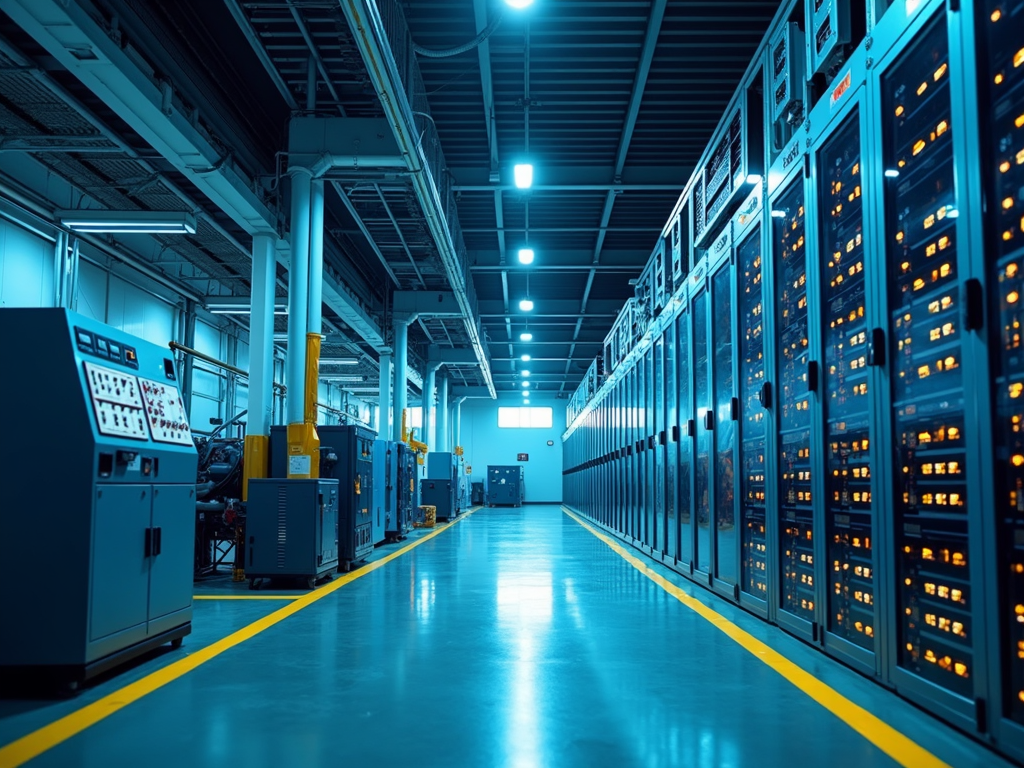
The Role of Electricity in Large-Scale Operations
Electricity is one of those things people don’t think about much-until it stops working. In homes, losing power is annoying, but in large businesses, factories, and industrial buildings, it’s a serious problem. A sudden power failure can shut down production, damage equipment, and even put people at risk.
Unlike a house, where power is mostly about lights and appliances, large facilities need complex electrical systems to keep everything running smoothly. They rely on massive machines, heavy-duty motors, climate control systems, and automated processes that can’t afford to lose power, even for a second. That’s why these buildings need more than just basic wiring-they need well-planned, well-maintained systems designed to handle high energy demands safely and efficiently.
Why Large-Scale Electricity Is So Complicated
In an average home, the electrical system is fairly simple. A few circuits power different rooms, and as long as nothing is overloaded, everything runs fine. But in an industrial setting, it’s a completely different story. Some machines require high-voltage connections, while others need stable, low-power feeds. If the system isn’t designed correctly, equipment can overheat, circuits can trip, and operations can grind to a halt.
That’s why businesses don’t just hire a regular electrician for the job. They work with a registered electrical contractor who understands industrial power systems, safety regulations, and the specific needs of large facilities. These professionals don’t just install wiring-they plan entire electrical infrastructures, ensuring every part of the system works together smoothly. They also maintain and upgrade power systems over time, making sure businesses don’t run into costly electrical failures.
How Power Keeps Industrial Equipment Running
Factories, warehouses, and commercial buildings use electricity differently than homes do. Instead of small appliances and basic lighting, they run high-powered machines, automated production lines, and massive heating and cooling systems. Everything needs to be powered correctly to avoid damage or dangerous failures.
Manufacturing facilities, for example, depend on heavy-duty motors to drive conveyor belts, robotic arms, and processing equipment. If these motors don’t get stable power, they can overheat or shut down unexpectedly. Data centers, on the other hand, require constant electricity to keep servers running. Even a brief power flicker can cause data loss or hardware failure, which is why they rely on backup systems that instantly take over when the main power goes out.
Large-scale power systems also have to account for safety. High-voltage electricity can be extremely dangerous if not handled properly. If wiring isn’t installed correctly, it can lead to electrical fires, equipment malfunctions, or even serious injuries. That’s why regular inspections and maintenance are critical.
How Businesses Avoid Power Failures
Losing power in a factory or large facility isn’t just inconvenient-it can stop production, damage equipment, and cost thousands of dollars. Most power failures don’t happen out of nowhere. They’re usually caused by overloaded systems, outdated wiring, or external issues like storms or grid failures. That’s why businesses take extra steps to make sure their power stays on no matter what.
One of the biggest safeguards is having backup generators. These automatically turn on if the main power goes out, keeping everything running until electricity is restored. Some businesses also use uninterruptible power supply (UPS) systems, which provide instant short-term power to protect sensitive equipment. This prevents machines from shutting down suddenly, which can cause serious damage.
Regular maintenance is just as important. Faulty wiring, loose connections, and overloaded circuits can lead to major problems if they’re not caught early. That’s why businesses schedule routine electrical inspections to find and fix small issues before they turn into big ones.
Some companies go a step further and install energy monitoring systems. These track electricity use in real time, helping businesses spot inefficiencies and potential problems before they cause a failure. By staying on top of maintenance and having backup power in place, businesses can avoid costly shutdowns and keep everything running smoothly.
Avoiding Power Failures in Large Facilities
Losing power in a big factory, office building, or industrial site isn’t just annoying-it can cause major disruptions. Machines stop working, production slows down, and in some cases, companies lose thousands of dollars in just a few minutes. That’s why businesses don’t just rely on the main power grid. They have backup systems and regular maintenance to keep everything running smoothly.
Generators are one of the most common solutions. When the main power goes out, a generator kicks in automatically, keeping critical systems running until everything is back to normal. Some businesses also use uninterruptible power supply (UPS) systems, which provide instant backup power to protect sensitive equipment. Even a short power outage can damage machines or cause data loss, so having a backup in place is a must.
But it’s not just about having a backup-it’s about preventing power failures in the first place. Electrical systems in large buildings need regular checkups. Loose wiring, outdated circuits, or overloaded systems can cause major problems if they’re ignored. That’s why businesses bring in professionals to inspect and maintain their power systems before something goes wrong.
Some companies take things even further by using smart energy monitoring. These systems track electricity use in real-time, making it easier to catch problems before they turn into bigger issues. If a machine is using too much power or a system isn’t running efficiently, it can be fixed before it causes a shutdown. With the right planning, businesses can avoid power failures altogether and keep everything running without interruptions.
In this regard, service providers, especially in the utility sector, often tend to implement advanced solutions like a utility outage management system. These systems can enhance their ability to respond to and manage service disruptions by detecting outages quickly, prioritizing repairs, and dispatching field technicians to address the issues proactively.
Keeping Big Operations Running Without a Hitch
Electricity is what keeps everything moving. Without it, businesses, factories, hospitals, and office buildings wouldn’t be able to function. But making sure power stays on isn’t as simple as plugging in a few wires. Large-scale operations need well-designed electrical systems, backup solutions, and constant maintenance to avoid problems.
The goal is simple: reliable power, no matter what. With the right setup and regular upkeep, businesses can avoid unexpected shutdowns, keep their operations running smoothly, and make sure they’re ready for whatever comes next.
