
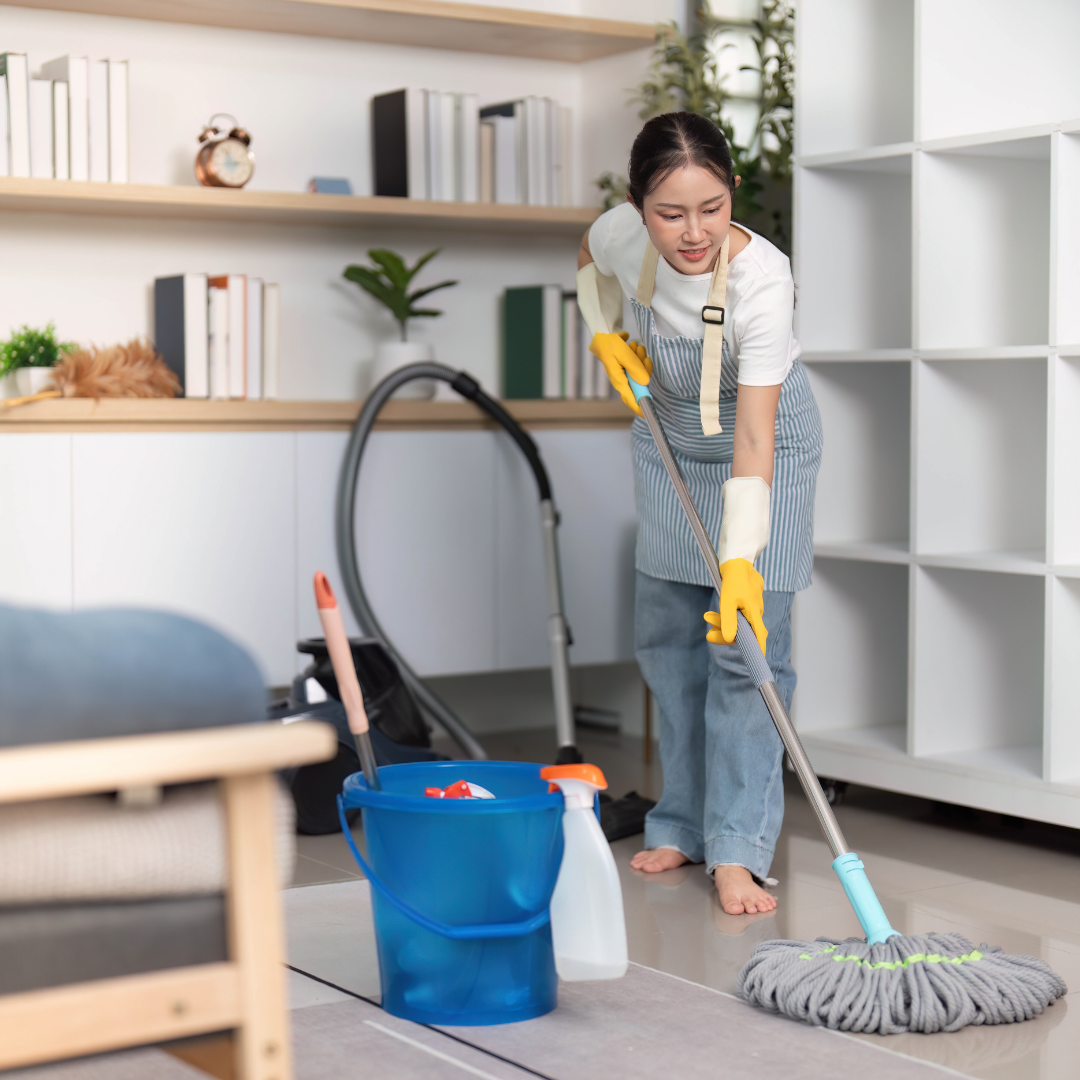
Best Home Cleaning Habits to Build for a Pristine and Organized Living Space
Maintaining a clean home doesn’t have to be overwhelming when you develop consistent habits. The best home cleaning habits to build are small, manageable routines that prevent messes from piling up, saving time and effort in the long run. Simple actions like wiping surfaces daily, decluttering regularly, and setting specific cleaning days make a big difference.
These habits not only keep your living space orderly but also create a healthier environment. By adopting easy-to-follow practices, you reduce stress and avoid the need for major cleaning sessions. This article will guide you through effective strategies to maintain a clean home with minimal hassle.
Establishing a Daily Cleaning Routine
Keeping a home tidy requires small actions done consistently. Focusing on daily tasks like bed-making, kitchen surface cleaning, and dishwashing can prevent clutter and buildup.
Making Your Bed Every Morning
Making your bed each morning sets a tone of order for the day. It only takes a few minutes, but it instantly improves the look of your bedroom.
Start by straightening your sheets and blankets. Smooth out wrinkles quickly. Fluff pillows and arrange them neatly.
This routine also helps regulate better sleep patterns by signaling an organized space. Keeping your bed made reduces the temptation to jump back into it, which can disrupt productivity.
Wiping Down Kitchen Surfaces
Kitchen counters and tables collect food residue and bacteria rapidly. Wiping them daily protects your health and keeps pests away.
Use a microfiber cloth and an all-purpose cleaner or a mix of water and vinegar for effective cleaning. Focus on areas around the stove, sink, and cutting boards.
Pay special attention to handles and switches, which are frequently touched. This habit lowers the risk of cross-contamination.
Handling Dishes Promptly
Leaving dirty dishes in the sink leads to unpleasant odors and attracts insects. Washing or loading them into the dishwasher right after use limits these risks.
If handwashing, fill the sink with warm soapy water to soak tougher stains, then scrub immediately. Rinse and dry thoroughly to prevent water spots.
For dishwasher users, scrape off large food particles before loading. Run the machine daily or every other day to keep the kitchen fresh.
Weekly Home Cleaning Habits
Maintaining cleanliness on a weekly basis involves specific actions that target accumulated dirt and refresh key areas. Consistent attention to floors, linens, and surfaces prevents buildup and keeps the home comfortable.
Vacuuming and Sweeping Floors
Vacuuming and sweeping are essential to control dust, dirt, and allergens. Focus on high-traffic areas like hallways, living rooms, and entryways. Use a vacuum with proper filtration to trap fine particles that cause allergies.
Pay special attention to corners and under furniture where dust collects. Hardwood and tile floors benefit from sweeping with a microfiber or soft-bristle broom before vacuuming to remove loose debris.
If you have pets, increase floor cleaning frequency to limit hair and dander. Consider spot-treating stains immediately to prevent permanent marks.
Changing Bed Linens
Changing bed linens weekly promotes hygiene and skin health. Sweat, dead skin cells, and oils build up on sheets and pillowcases, creating an environment for bacteria and dust mites.
Strip beds completely and rotate blankets or duvets to extend their life. Wash linens with hot water when possible to sanitize effectively.
Include pillow protectors and mattress covers in the routine, washing or spot-cleaning them as needed. This reduces allergens and prolongs bedding quality.
Dusting Surfaces
Dust accumulates quickly on furniture, electronics, and decor, affecting air quality and appearance. Use microfiber cloths or electrostatic dusters to trap particles instead of spreading them around.
Clean in a top-to-bottom pattern, starting with ceiling fans, shelves, and light fixtures, then work down to tables and baseboards. Avoid dusty buildup on window sills and vents by wiping regularly.
For electronics, power off devices before dusting to prevent damage. Incorporate non-toxic dust sprays or wipes safely for deeper cleaning of wood and glass surfaces.
Monthly Deep Cleaning Strategies
Focusing on specific, manageable tasks each month helps maintain a cleaner home. Effective deep cleaning targets appliances and storage areas to improve hygiene and organization.
Cleaning Appliances
Appliances accumulate grease, dirt, and bacteria, so monthly cleaning extends their lifespan and maintains performance. Start with the refrigerator: empty it, discard expired items, and wipe shelves with a mix of baking soda and water. Don’t forget to clean door seals with a damp cloth to remove mold or grime.
For ovens and microwaves, use appropriate cleaners or a mixture of vinegar and water for tough stains. Clean dishwasher filters and run a cleaning cycle using dishwasher cleaner or vinegar. Regularly wiping down small appliances, like toasters or coffee makers, prevents buildup.
Decluttering Storage Areas
Storage spaces collect clutter, making deep cleaning essential. Begin by emptying one storage area at a time, such as closets, cabinets, or garages. Sort items into keep, donate, or discard piles to reduce unnecessary clutter.
Wipe down shelves and vacuum floors to remove dust and debris. Use clear bins or labeled containers to organize items efficiently. Periodically rotating seasonal items in storage keeps spaces more functional and avoids overcrowding.
Organizational Systems for Cleanliness
Efficiency and accessibility are crucial for maintaining a clean home. Implementing effective methods to keep items in order reduces clutter and streamlines daily routines.
Creating Storage Solutions
Design storage to match the specific needs of each room. Use clear bins for visibility, stackable containers to save space, and adjustable shelves for flexibility. In kitchens, drawer dividers separate utensils, while pull-out baskets help with pantry organization.
Vertical space often goes unused. Installing hooks, pegboards, or wall-mounted shelves can free up floor and counter space. Keep everyday items within easy reach and store less-frequently used supplies higher or deeper.
Regularly evaluate storage to avoid overcrowding. A well-organized storage system minimizes the chance of messes accumulating and makes cleaning quicker.
Labeling and Categorizing Items
Labels clarify what belongs where, cutting down on guesswork during tidying. Use clear, legible fonts on labels or color-code categories for even faster identification.
Group similar items together—cleaning supplies, office materials, or children’s toys—and assign each group a designated storage area. This simplifies finding and returning items.
Digital labels or QR codes can be helpful for larger households or detailed inventories. Consistency is key: standardize labeling across all storage spaces to maintain order over time.
Sanitizing High-Touch Areas
Regular disinfection of frequently touched surfaces is essential to reduce germs and prevent illness. Focus on areas that often come in direct contact with hands and are prone to bacterial buildup.
Cleaning Bathroom Fixtures
Bathroom fixtures such as faucets, handles, and shower controls collect bacteria and soap residue. Use a disinfectant spray or wipes containing at least 70% alcohol or an EPA-approved cleaner to clean these surfaces daily.
Pay special attention to areas around the sink and toilet, as moisture can promote germ growth. Wipe fixtures thoroughly, allowing the disinfectant to sit for the recommended time to kill pathogens effectively.
Avoid abrasive cleaners that can damage surfaces. For metal fixtures, a microfiber cloth helps prevent scratching while ensuring a thorough clean.
Disinfecting Door Handles
Door handles are touched multiple times daily and can harbor harmful germs. Clean them regularly with disinfectant wipes or sprays, especially in shared spaces.
Focus on all sides of the handle, including the latch and surrounding plate. Use disposable gloves when disinfecting to avoid transferring bacteria during the cleaning process.
Make a habit of disinfecting door handles at least once a day, increasing frequency during flu season or outbreaks. This small step contributes significantly to reducing surface contamination.
Habits for Maintaining Clean Air and Freshness
Maintaining clean air at home requires consistent actions to reduce pollutants and circulate fresh air. Key methods include managing airflow and keeping air filtration systems in good condition.
Regularly Ventilating Rooms
Opening windows for at least 10 to 15 minutes daily helps bring in fresh air and reduce indoor pollutants. Cross-ventilation, by opening windows or doors on opposite sides of a room, promotes better airflow and faster air exchange.
Use exhaust fans in kitchens and bathrooms to remove moisture and odors quickly. In colder months, short but frequent ventilation periods prevent heat loss while maintaining air quality.
Avoid heavily scented air fresheners, which can add chemicals to indoor air. Instead, natural ventilation is a more effective way to improve air freshness consistently.
Replacing Air Filters
Air filters in HVAC systems capture dust, allergens, and pollutants. Changing these filters every 3 months, or more often if you have pets or allergies, ensures the system works efficiently.
Use filters rated MERV 8 or higher for better particle capture. Check the filter monthly for clogging or dirt buildup, which decreases filtration performance.
Regular replacement also prevents dust accumulation inside the ducts, reducing the risk of circulating contaminants. Mark your calendar to stay on schedule with this simple but crucial task.
Mindful Cleaning Practices
Effective cleaning requires intentional strategies that ensure consistency and shared responsibility. Organizing tasks and using reminders can help maintain a clean home without overwhelming anyone.
Assigning Tasks to Household Members
Dividing cleaning jobs based on individual strengths and schedules increases efficiency. Create a clear list of tasks and assign specific areas or duties to each member, such as vacuuming, dusting, or bathroom cleaning.
Use a chart or checklist to track responsibilities and progress. This visual tool helps maintain accountability and shows who is responsible for what. Rotate tasks periodically to prevent monotony and promote fairness.
Clear communication about expectations and deadlines avoids confusion. Assigning tasks prevents chores from piling up and encourages teamwork.
Setting Cleaning Reminders
Scheduling reminders on phones or calendars ensures cleaning tasks aren’t forgotten. Set alerts for daily, weekly, or monthly chores depending on their frequency.
Automated reminders reduce mental load and help build consistent habits. Combine reminders with small routines, like wiping kitchen counters every evening or vacuuming every Saturday morning.
Using apps designed for home management can help organize reminders by task type and priority. Consistency in setting and following reminders supports steady progress in keeping the home clean.
Developing Sustainable Cleaning Routines
Focusing on products and habits that lower environmental impact can create a lasting, effective cleaning routine. Choosing safer ingredients and cutting down on disposable materials helps maintain a cleaner home and planet.
Using Eco-Friendly Products
Switch to cleaning products with biodegradable ingredients and minimal chemicals. Look for labels such as EPA Safer Choice or Green Seal to ensure safety and effectiveness.
Many eco-friendly products use plant-based surfactants and natural disinfectants like vinegar or essential oils. These alternatives reduce exposure to harmful toxins and lessen indoor air pollution.
Making homemade cleaners with baking soda, lemon juice, and vinegar is an affordable, non-toxic option. Keep in mind, some natural products may not work on all surfaces, so test in small areas first.
Reducing Waste During Cleaning
Use reusable cleaning tools such as microfiber cloths and washable mop pads to cut down on single-use paper towels. Microfiber traps dust and dirt efficiently and lasts through many wash cycles.
Avoid disposable wipes and opt for refillable spray bottles. Refilling with concentrated solutions or homemade cleaners reduces plastic waste from packaging.
Collect used textiles like old t-shirts for cleaning rags instead of buying disposable dusters. Store cleaning supplies in sustainable containers to prevent excess waste buildup.
Tracking Progress and Staying Motivated
Tracking your cleaning progress helps maintain consistency. Use a simple checklist or a planner to mark completed tasks daily or weekly. Visual confirmation of progress encourages ongoing effort.
Set clear, achievable goals. Breaking larger cleaning jobs into smaller steps makes them less overwhelming. Celebrate small wins, like finishing a room or organizing a closet.
Consider using apps designed for habit tracking. Many offer reminders, progress charts, and rewards for consistency. These tools can make cleaning feel more like a manageable routine.
Example Tracking Table:
| Task | Frequency | Status |
| Vacuum the living room | Twice a week | ✔️ Completed |
| Clean the kitchen sink | Daily | ✔️ Completed |
| Dust furniture | Weekly | ❌ Pending |
Motivation can fluctuate. To stay motivated, schedule cleaning at consistent times. Pair cleaning with listening to music or podcasts for a more enjoyable experience.
Sharing goals with family or roommates also helps. When everyone participates, the workload decreases, and motivation often increases. Accountability and teamwork build sustainable habits.
