
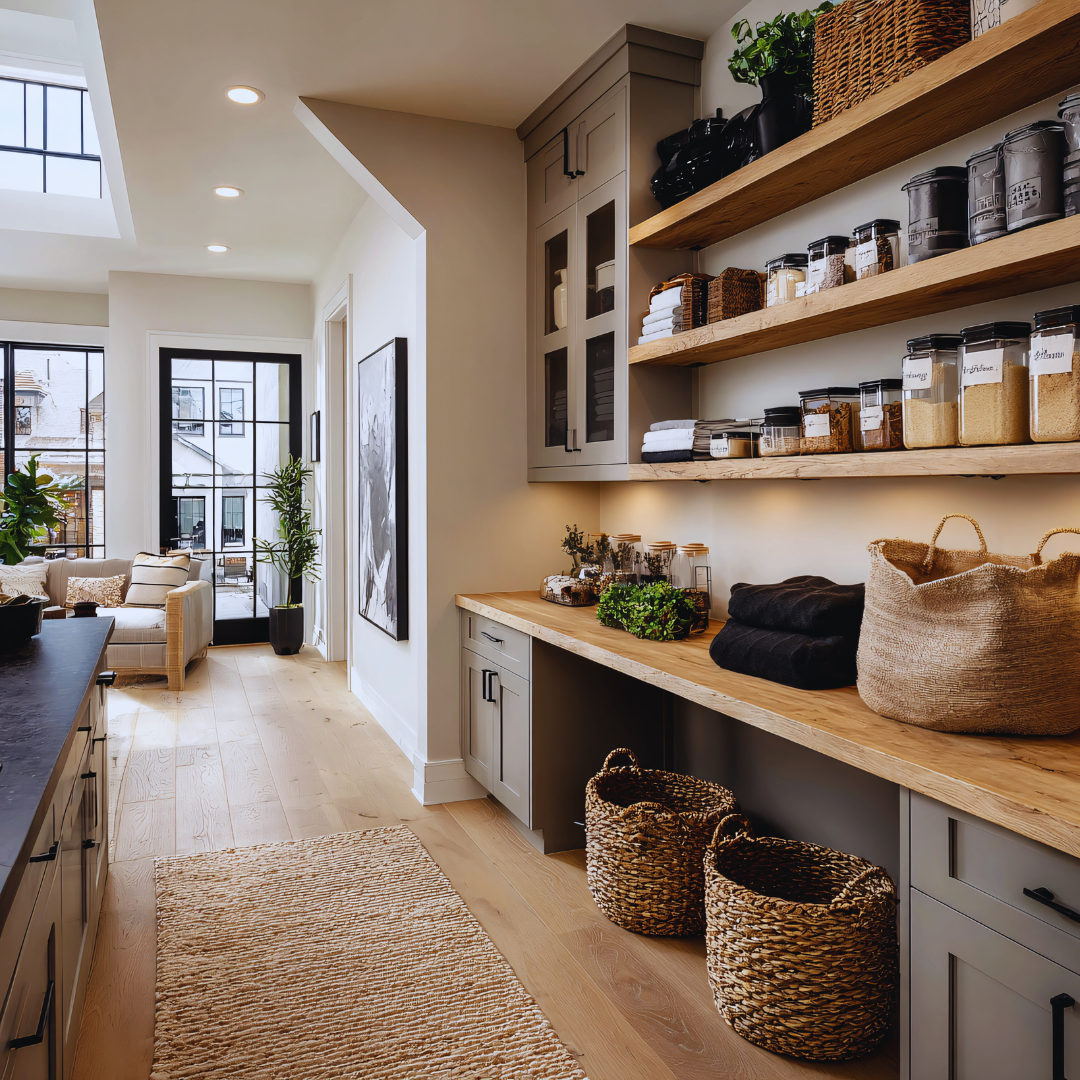
Best Home Storage Solutions for Families to Maximize Space and Organization
Families often struggle with keeping their homes organized due to the constant influx of items and daily activities. The best home storage solutions combine functionality and accessibility, making it easier to maintain order without sacrificing living space.
Practical options include multifunctional furniture, wall-mounted storage, and labeled containers that help categorize belongings efficiently. Choosing the right storage depends on your family’s needs, living space, and lifestyle.
Implementing these solutions can reduce clutter and create a more comfortable environment. Exploring simple yet effective storage ideas helps families stay organized and maximize available space.
Understanding Family Storage Needs
Identifying what to store, assessing available space, and recognizing common storage obstacles are essential steps in creating effective home storage solutions. Families vary in size, activities, and possessions, which directly impacts storage needs and strategies.
Evaluating Household Items
Start by categorizing items based on usage frequency and type. Essential daily items like kitchenware and school supplies require easy access, while seasonal or sentimental items can be stored with less access.
Create three groups:
- Daily use: Items needed every day or week
- Occasional use: Seasonal clothing, holiday decorations
- Rare use: Keepsakes, archived documents
This separation helps prioritize storage location and container choice. Use bins, shelves, and labeled boxes to keep items organized and easy to find. Regularly reassess possessions to avoid clutter, such as donating unused items or recycling.
Space Assessment Strategies
Measure all potential storage areas precisely, including closets, under beds, and unused corners. Note ceiling height and shelf depth to maximize vertical and horizontal space.
Create a physical or digital floor plan outlining each storage zone. This aids in visualizing where bulky versus small items fit best. Consider multi-functional furniture like ottomans with storage or beds with drawers.
Check for accessibility and lighting in storage spots to ensure safety and ease of use. Efficient space use depends on matching item size with the right storage area.
Common Family Storage Challenges
Managing diverse belongings from multiple family members creates storage complexity. A lack of designated spots leads to clutter and lost items.
Frequent item turnover, such as school materials or sports gear, requires adaptable storage solutions. Small spaces and limited closet capacity are common issues for many families.
Storage must accommodate different age groups, balancing childproofing with functionality for adults. Finding affordable organization tools that fit specific needs can also be challenging. Clear labeling and consistent habits improve storage effectiveness and reduce daily stress.
Efficient Living Room Storage Solutions
Maximizing space in the living room requires smart furniture choices, organized toy storage, and proper handling of electronic devices. Each element plays a crucial role in maintaining a clean, functional family space.
Multi-Functional Furniture Ideas
Multi-functional furniture offers storage without sacrificing style or comfort. Consider sofas and ottomans with hidden compartments to store blankets, magazines, or remote controls. Coffee tables with drawers or lift-up tops provide extra space for items you want close but out of sight.
Shelving units with built-in seating or side tables with storage drawers help utilize unused corners. Select pieces that serve dual purposes—like a storage bench that doubles as extra seating. This approach decreases clutter and improves room flow.
Toy and Game Organization
Toys and games can quickly overwhelm the living room space. Use labeled bins or baskets to keep items sorted and easy to find. Stackable storage cubes or shelves with clear containers help both adults and kids maintain order.
Consider low open shelving for frequently used toys, allowing kids easy access while keeping the room neat. A dedicated toy chest with a lid keeps larger items contained but accessible. Prioritize storage solutions that encourage quick clean-up after playtime.
Electronics and Media Storage
Electronics and media devices need organized, safe storage to prevent cables from tangling and prevent damage. Use media consoles with cable management systems to keep cords out of sight and avoid clutter. Vertical shelving units designed for consoles, routers, and game systems maximize space efficiently.
Label cables and devices, and use cord clips or Velcro ties to keep things tidy. Storing DVDs, games, and controllers in dedicated drawers or shelves reduces mess. Maintain ventilation around devices to ensure proper function and avoid overheating.
Smart Bedroom Storage Tips
Maximizing bedroom storage requires planning around available space and family needs. Focus on using vertical areas, choosing adaptable furniture, and organizing smaller items effectively for daily use and easy access.
Space-Saving Wardrobe Systems
Modular wardrobe systems with adjustable shelves and hanging rods allow customization as family wardrobes change. Incorporate pull-out drawers and built-in compartments for shoes, belts, and jewelry. Sliding doors save floor space compared to hinged ones.
Consider installing double hanging rods to double vertical hanging space, separating shirts above and pants below. Use clear bins or labeled baskets for seasonal items on top shelves to keep frequently used clothes front and center.
Adding hooks or hanging organizers on wardrobe doors further increases storage capacity without cluttering the room. Proper lighting inside the wardrobe improves visibility and reduces time spent searching.
Under-Bed Storage Options
Under-bed storage utilizes often overlooked space for off-season clothes, bedding, or toys. Choose shallow rolling bins or vacuum-sealed bags to maximize capacity in this low-clearance area.
For families with limited bedrooms, under-bed drawers or container systems with lids protect items from dust and pests. Label containers clearly to avoid unnecessary digging when searching for stored items.
Beds with built-in drawers provide a sturdy, integrated solution. If space permits, elevate the bed frame with risers to create more usable space underneath. Keep access pathways clear to avoid inconvenient retrieval.
Kids’ Clothing and Accessories Organization
Use labeled, color-coded bins or cubbies to separate clothing by size or type, simplifying selection during busy mornings. Open shelving at child height encourages independence in putting away clothes.
Divided drawer organizers for socks, underwear, and accessories keep small items tidy and visible. Seasonal rotation of clothing reduces clutter; store outgrown clothes in sealed boxes for donation or future siblings.
Incorporate multi-functional furniture, like dressers combined with changing tables, to save space in children’s bedrooms. Hooks or wall-mounted racks for backpacks and hats prevent daily clutter near doorways.
Optimizing Kitchen and Pantry Space
Maximizing kitchen and pantry space requires practical solutions that improve storage efficiency while keeping items accessible. Strategic use of shelving, containers, and organizational tools can transform cluttered areas into streamlined, functional spaces.
Shelving and Cabinet Solutions
Adjustable shelves in cabinets allow customization based on the sizes of stored items, accommodating large pots or small spice jars as needed. Pull-out shelves and drawers improve access to items at the back, reducing wasted space and frustration.
Vertical storage options, such as tall pantry shelves or wall-mounted racks, make use of underutilized height. Using corner cabinet organizers or lazy Susans can optimize awkward spaces. Labeling shelves or cabinets also helps maintain order and expedites finding ingredients during busy cooking times.
Food Storage Containers
Uniform, stackable containers simplify pantry organization by maximizing space and protecting food quality. Clear containers enable quick identification of contents, reducing spoilage and overbuying.
Choose airtight containers for dry goods like flour, rice, and cereals to preserve freshness. Consider containers with wide openings for ease of scooping. Utilizing containers of various sizes helps utilize shelf space efficiently while avoiding gaps.
Organizing Cookware and Utensils
Store frequently used cookware near the stove for convenience. Use drawer dividers or utensil trays to separate tools by function, keeping items like knives, spoons, and spatulas orderly.
Hanging racks or magnetic strips free up drawer space and keep knives safely accessible. Nest pots and pans by size and use protective liners to prevent scratching. This approach reduces clutter and streamlines meal preparation flow.
Bathroom Storage for Busy Families
Keeping bathroom essentials organized is crucial when multiple people share the space. Efficient use of vanity surfaces and proper towel storage can reduce clutter and save time during busy routines.
Vanity and Countertop Organizers
Vanity organizers should separate daily-use items to prevent overcrowding. Use tiered trays or clear acrylic containers to keep toothbrushes, skincare products, and hair accessories visible and accessible.
Drawers can be fitted with adjustable dividers to customize space for smaller items like razors, cotton swabs, and makeup. Labeling compartments ensures quick access and reduces search time.
Compact, multi-level organizers maximize vertical space without taking up much countertop area. Prioritize items used daily near the front, while less frequent products belong toward the back or inside drawers.
Towel and Linen Storage
Stacking towels on open shelves works if frequent rotation and folding are manageable. Closed cabinets with pull-out baskets or bins hide bulk linens and keep the bathroom looking tidy.
Hooks or racks mounted behind doors or walls enable quick drying and easy access. Assign specific hooks for each family member to avoid mix-ups.
Using slim, vertical shelving units fits narrow spaces and adds storage without crowding the room. Opt for moisture-resistant materials to prevent mildew buildup on stored items.
Entryway and Mudroom Organization
Maximizing space and ensuring easy access to everyday items are key in busy entryways and mudrooms. Effective storage solutions can reduce clutter and create a welcoming, functional transition area in the home.
Shoe and Coat Storage Ideas
Designate specific spots for shoes and coats to keep the entryway neat. Use wall-mounted hooks or a pegboard system to hang coats at varying heights, accommodating both adults and children. Adding a bench with built-in shoe cubbies allows for comfortable seating and organized footwear storage.
Consider breathable bins or baskets for seasonal shoes and waterproof options for wet items. Labeling storage units helps each family member keep track of their belongings. In tight spaces, vertical shoe racks or over-the-door organizers maximize storage without reducing floor space.
Family Command Centers
A family command center combines organization and communication in one spot. Incorporate a corkboard or magnetic board for calendars, schedules, and reminders. A row of labeled mail slots or file organizers separates bills, school notices, and event invitations.
Small shelves or trays can hold essentials like keys, sunglasses, and wallets to prevent last-minute searches. Including a chalkboard or dry-erase surface allows for quick notes and messages. Positioning this command center near the entry ensures it is visible and accessible to all family members.
Garage and Outdoor Storage Strategies
Maximizing garage and outdoor storage requires targeted solutions to keep frequently used items accessible and well-protected. Efficient setups focus on categorizing belongings by type and use, ensuring neatness and functionality.
Sports Equipment Organization
Use wall-mounted racks and pegboards to store balls, bats, helmets, and other gear, freeing up floor space. Clear bins labeled by sport help keep smaller items like gloves and mouthguards organized and visible.
Consider adjustable shelving for larger equipment like bikes and skis. Hooks and ceiling hoists can store bulky sports items safely off the ground, preventing damage and clutter.
A dedicated zone for sports gear near the garage entrance can streamline busy mornings, making packing and unpacking quick. Ensure materials are weather-resistant or stored indoors to avoid deterioration from moisture or sun exposure.
Tool and Gardening Solutions
Tool organization starts with designated storage options like magnetic strips for metal tools and labeled drawers or cabinets for hand tools. A portable toolbox keeps frequently used tools handy both inside and outside the house.
For gardening, mounted racks for shovels, rakes, and hoses prevent tangling and damage. Use waterproof storage bins for smaller items such as seeds, gloves, and fertilizers.
Workbenches with built-in storage compartments improve workflow. Adding hooks or shelves nearby ensures that garden equipment doesn’t clutter the yard but remains easy to access during tasks.
Maximizing Storage in Small Spaces
Using vertical surfaces and incorporating hidden storage options can greatly increase usable space. Efficient organization is key to keeping small areas functional without feeling cluttered.
Vertical and Wall-Mounted Systems
Installing shelves, hooks, and pegboards on walls uses unused vertical space effectively. Tall shelving units that reach the ceiling provide extra storage without increasing the floor footprint.
Wall-mounted bike racks or foldable desks free up floor space while maintaining accessibility. Magnetic strips or wall pockets keep small items like keys and mail organized and within reach.
When choosing vertical solutions, consider adjustable shelves or modular systems for flexibility. Use clear containers or labeled bins to maintain visibility and order on higher shelves.
Hidden and Constructed Storage Nooks
Built-in storage inside stair risers or under beds creates practical hidden spaces. Custom benches with lift-up lids or drawers offer seating and storage combined.
Closet corners often hold unused space; adding rotating shelves or pull-out drawers can maximize these areas. Wall recesses around door frames provide slim spots for narrow shelving.
Multi-functional furniture, like ottomans or coffee tables with concealed storage, helps keep essential items out of sight but accessible. Prioritize spaces that don’t disrupt traffic flow or daily use.
Sustainable and Safe Storage Choices
Choosing storage options that prioritize both the environment and safety can enhance the home environment for families. Selecting materials that are durable and non-toxic supports a healthier space. Implementing features to prevent accidents protects children without sacrificing convenience.
Eco-Friendly Materials
Using storage made from bamboo, recycled wood, or reclaimed materials reduces environmental impact. These materials are sturdy, renewable, and often free from harmful chemicals like formaldehyde or VOCs found in some plastics.
Fabric bins crafted from organic cotton or hemp provide breathable storage for toys and clothes. These natural fabrics avoid synthetic dyes, which can release toxins.
Avoid plastic containers that contain BPA or phthalates. Instead, choose glass jars or metal tins for items like craft supplies. Label each container with removable tags to keep the system organized without waste.
Child-Proof Storage Solutions
Safety features like soft-close lids and rounded edges reduce injury risk in active households. Secure cabinets with childproof locks to keep hazardous items out of reach.
Open shelving should be fitted with adjustable anchors to prevent tipping. Low storage bins ensure children can access their toys safely without climbing.
Consider clear, stackable bins with secure lids to keep small parts contained and visible, reducing choking hazards. Labeling storage can also help older children understand organization and safety rules.
Maintenance and Decluttering Routines
Consistent upkeep keeps storage systems effective and clutter manageable. Creating simple habits and knowing how to dispose of unneeded items properly extends the usefulness of any home storage solution.
Regular Organization Habits
Set a weekly or biweekly schedule for tidying high-traffic areas like living rooms, kitchens, and kids’ bedrooms. Use labeled bins or baskets to group similar objects, making it easier to put things back in their place.
Make it a family routine to spend 10-15 minutes daily returning items to their storage spots. This prevents small piles from turning into overwhelming messes. Clear surfaces and visible shelves often reflect overall order, so focus on those first.
Keeping inventory lists for closets or toy bins can help track what you have. Remove or relocate items that no longer fit your needs promptly to maintain usable space.
Donation and Recycling Tips
Sort items by condition: keep, donate, recycle, or trash. Choose donation centers that accept household goods and offer pickup services to save time. Label boxes clearly to avoid confusion.
Create a designated donation bin that family members can add to over time. This encourages regular review and quicker decluttering. For recyclables, follow local guidelines closely, especially for electronics and batteries.
Never mix trash with donation or recycling bins; this saves effort during drop-off. Schedule quarterly decluttering sessions focused solely on identifying excess or damaged items to keep clutter from accumulating.
