
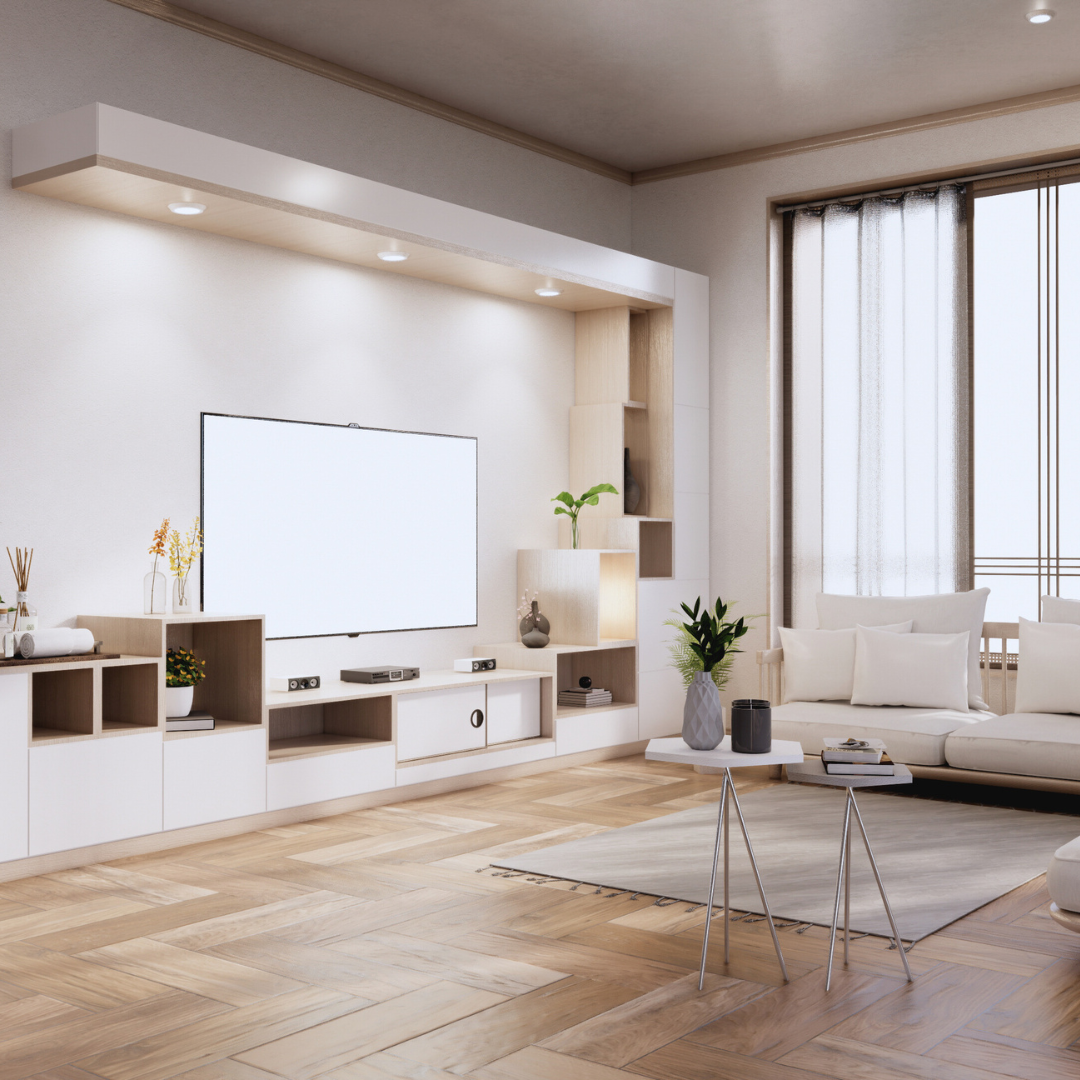
How to Create an Inviting Living Space That Enhances Comfort and Style
Creating an inviting living space starts with focusing on comfort, functionality, and personal style. Choose furniture and decor that reflect your personality while ensuring the room feels welcoming and easy to navigate. Lighting, texture, and color play a crucial role in setting the mood and making a space feel cozy.
A balance between open areas and thoughtfully placed items prevents clutter and promotes relaxation. Incorporating elements like soft textiles, natural light, and warm tones can transform any room into a place where people want to spend time. Read on to discover practical tips for designing a living space that feels both inviting and authentic.
Understanding Inviting Living Spaces
Creating a living space that feels welcoming involves a balance of atmosphere, comfort, and specific design elements. These factors work together to make a room feel both attractive and functional for everyday use.
Defining an Inviting Atmosphere
An inviting atmosphere encourages relaxation and social interaction. It is marked by a sense of openness and ease, achieved through lighting, layout, and color choices.
Natural light is key. Rooms with windows that allow sunlight create a warm and vibrant feel. Soft, adjustable artificial lighting complements this by providing flexibility throughout the day.
Colors should promote calmness or energy, depending on the room’s purpose. Neutral tones like beige or gray offer a subtle backdrop, while accents of warm colors such as rust or mustard add depth without overwhelming the space.
Importance of Comfort and Warmth
Comfort is central to an inviting living space. Furniture should be both functional and plush enough to encourage sitting or lounging for extended periods.
Textiles like cushions, throws, and rugs introduce softness and tactile warmth. Materials such as cotton, wool, and linen provide breathability and texture.
Temperature control also impacts comfort. Ensuring proper insulation and using heating or cooling devices can maintain a consistent, pleasant environment year-round.
Elements That Influence Ambiance
Several tangible elements shape a room’s ambiance. These include lighting, furnishings, textures, and personal touches.
- Lighting: A Combination of natural and layered artificial light (ambient, task, accent) sets the mood and function.
- Furnishings: Scale and placement affect flow and accessibility, which influences ease of movement.
- Textures: Varied materials prevent monotony and enhance sensory engagement.
- Personal touches: Artwork, plants, and decor reflect personality and introduce life.
Together, these components determine the overall feel and usability of a living space.
Planning Your Living Space
Designing an inviting living space begins with a clear understanding of how you use the room, a smart layout for ease and comfort, and a unified style that ties everything together. Attention to these aspects improves both function and atmosphere.
Assessing Your Needs and Lifestyle
Start by listing how you typically use the living area. Consider activities like watching TV, reading, socializing, or working. Identify the number of people usually in the space and any specific requirements, such as storage or pet areas.
Think about daily routines and special occasions. Make note of any furniture you want to keep or replace. This assessment ensures the space supports your habits effectively without overcrowding or wasted areas.
Creating a Functional Layout
Measure the room and existing furniture to understand scale and flow. Plan zones for different activities, such as a seating area for conversation or a corner for reading. Prioritize ease of movement, avoiding cramped paths.
Use a grid or sketch to arrange pieces before purchasing. Incorporate balance by placing larger items opposite smaller ones. Consider natural light and electrical outlets as guide points to position lighting and electronics properly.
Setting a Cohesive Vision
Choose a consistent color palette and materials to create harmony. Decide on a style—modern, rustic, or transitional—that reflects your taste and complements the home’s overall look.
Develop a mood board with sample fabrics, paint swatches, and furniture images. This visual aid helps maintain consistency and prevents clashing elements. Keep textures and patterns balanced through repetition to make the space feel intentional.
Choosing the Right Color Scheme
Choosing a color scheme involves balancing tones that create a welcoming atmosphere with accents that add interest and depth. The right mix can make a living space feel harmonious without overwhelming the senses.
Selecting Warm and Welcoming Tones
Warm tones like soft yellows, muted oranges, and shades of terracotta naturally invite comfort. These colors increase a room’s sense of coziness without making it feel small or heavy.
Use warm colors on walls or larger pieces, such as sofas or rugs. For example:
- Soft beige walls paired with burnt orange cushions create a relaxed yet energized vibe.
- Muted gold tones can brighten a room while maintaining subtle warmth.
Avoid overly bright or neon shades as they can create tension rather than comfort. Instead, focus on earthy or pastel versions of warm tones to ensure a balanced, inviting space.
Coordinating Accents and Neutrals
Accents like throw pillows, artwork, and vases provide personality and contrast to the dominant warm tones. Neutrals help ground the palette, preventing it from becoming too vibrant.
Common neutrals include:
- Whites
- Grays
- Soft taupes
Pairing a neutral background with one or two accent colors helps maintain visual interest. For example, combining gray walls with amber accessories can feel modern yet cozy.
Use accents sparingly but strategically to draw attention to key areas, like a seating nook or fireplace mantle. This method creates focal points without cluttering the space.
Furnishing for Comfort and Style
Selecting the right seating and thoughtfully arranging furniture can greatly enhance both the comfort and aesthetic of a living space. These choices influence how inviting and functional the room feels.
Picking Comfortable Seating
Comfort starts with selecting seating that supports body posture and suits the room’s size. Opt for sofas and chairs with sufficient cushioning and durable upholstery, such as high-density foam and tightly woven fabrics. Consider seat depth—deeper seats offer lounging ease, while shallower ones provide better support for upright sitting.
Materials play a role in everyday comfort and maintenance. Leather is durable and easy to clean, but can feel cold, while fabrics like microfiber or cotton blends are softer and warmer to the touch. Test seating by sitting for a few minutes before purchasing to ensure comfort for you and your guests.
Arranging Furniture for Conversation
Prioritize layouts that encourage face-to-face interaction without crowding the space. Arrange chairs and sofas around a central point like a coffee table or fireplace, leaving 18 to 24 inches between pieces for easy movement and intimacy.
Avoid placing all furniture against walls. Pulling pieces inward creates defined areas and promotes connection. Use rugs or lighting to anchor the arrangement and differentiate the conversation zone from other parts of the room. Aim for a balance between openness and coziness, ensuring clear pathways and seating accessibility.
Incorporating Textures and Patterns
Adding different textures and patterns can make a living space feel more dynamic and comfortable. Careful choices create balance, avoiding chaos while adding character.
Utilizing Soft Furnishings
Soft furnishings like throws, cushions, and rugs bring warmth and tactile contrast. Materials such as velvet, wool, and linen introduce variety without overwhelming the space.
Focus on layering textures to create depth. For example, combine a smooth leather sofa with a chunky knit throw and a plush rug. This contrast invites touch and visually enriches the room.
When choosing colors for soft furnishings, aim for coordination with the room’s palette but include variations in tone or material. This approach ensures cohesion with enough diversity to keep interest high.
Blending Patterns Harmoniously
Mixing patterns requires a strategy to avoid clashing. Stick to a common color scheme, using different scales and pattern types.
Start with one dominant pattern, such as large floral curtains, then add smaller geometric patterns on cushions or upholstery. This maintains focus without overload.
Use neutral or solid pieces as buffers between patterned items. For example, place patterned pillows on a plain sofa or layer a patterned rug over a solid floor. This technique keeps patterns distinct yet integrated.
Utilizing Lighting to Set the Mood
Effective lighting combines multiple sources and appropriate bulb temperatures to create a balanced and comfortable atmosphere. This approach enhances both the functionality and ambiance of a living space, making it more inviting.
Layering Lighting Sources
Layering involves using three main types of lighting: ambient, task, and accent. Ambient lighting serves as the base, usually from ceiling fixtures or wall-mounted lights. It provides overall illumination without being harsh.
Task lighting targets specific areas for activities like reading or cooking. Examples include table lamps, under-cabinet lighting, or adjustable floor lamps. Task lights should be bright enough to reduce eye strain but directed to avoid glare.
Accent lighting highlights architectural features, artwork, or textures. Small spotlights, track lighting, or LED strips are common choices. Combining these layers allows control over the mood and functionality, adapting to different needs and times of day.
Choosing Light Bulb Temperatures
Light bulb temperature is measured in Kelvin (K) and influences the room’s mood. Warm light (2700K-3000K) produces a cozy, inviting feel, ideal for living rooms and bedrooms. It replicates traditional incandescent bulbs.
Cool light (3500K-4100K) offers clarity and brightness, often used in kitchens and workspaces. It enhances concentration and visibility but can feel less relaxing.
Daylight bulbs (5000K-6500K) mimic natural light and are useful in areas needing high visibility but may create a sterile environment if overused.
Use warm light for relaxation areas, cool light for active zones, and mix bulb temperatures carefully to maintain harmony within the space.
Adding Personal Touches
Incorporating elements that reflect your personality creates a more welcoming and comfortable space. Thoughtful choices in decor and art can communicate your tastes and history. These details help transform a living area into a unique environment that feels truly yours.
Displaying Personal Decor
Select items that carry meaning, such as souvenirs, heirlooms, or collectibles. Use shelves, shadow boxes, or dedicated corners to arrange these items thoughtfully without overcrowding. Group pieces with a common theme or color to create visual harmony.
Mix textures and materials, like wood, metal, or fabric, to add depth and interest. Rotating decor seasonally or occasionally refreshing displays keeps the space dynamic. Avoid clutter by choosing quality over quantity and focusing on pieces that contribute to the room’s atmosphere.
Showcasing Art and Photography
Choose art and photography that resonates emotionally or aesthetically. Frame photos and prints in styles that complement your decor, such as minimal black frames for modern looks or ornate frames for traditional styles. Consider creating a gallery wall with a mix of sizes and orientations.
Use lighting strategically to highlight key pieces. Picture lights, track lighting, or wall washers enhance visibility and draw attention. Personal photographs, when displayed well, can spark conversations and add warmth to the space, making it feel lived-in and valued.
Enhancing with Greenery and Natural Elements
Incorporating natural elements can significantly improve the atmosphere of a living space. Organic textures and greenery contribute to a calm, fresh environment that feels both welcoming and lively.
Introducing Indoor Plants
Indoor plants improve air quality and add vibrant color to any room. Choose plants based on light availability: snake plants and pothos thrive in low light, while succulents and fiddle leaf figs need bright, indirect sunlight.
Maintenance tips:
- Water according to species needs—some require frequent watering, others prefer dry soil.
- Use well-draining soil and planters with drainage holes to prevent root rot.
- Rotate plants occasionally to ensure even light exposure.
Plants like spider plants, peace lilies, and aloe vera are excellent beginner’s choices. Display them in decorative pots or group various sizes together for visual interest.
Using Natural Materials
Natural materials enhance texture and warmth. Incorporate wood, stone, and rattan through furniture, flooring, or accent pieces to create an inviting feel.
Common options:
| Material | Benefits | Ideal Use |
| Wood | Durable, warm tone | Tables, flooring, shelves |
| Stone | Adds texture and weight | Countertops, coasters, decorative |
| Rattan | Lightweight, adds a casual, organic vibe | Chairs, baskets, light fixtures |
Including textiles like linen or wool in cushions and throws helps soften spaces. Keeping materials natural avoids overwhelming a room, maintaining balance and harmony.
Maintaining a Clutter-Free Environment
Keeping a living space uncluttered depends on effective storage and consistent cleaning habits. Using practical tools and establishing simple routines helps maintain order and makes the area feel more inviting.
Implementing Smart Storage Solutions
Choose storage options that match the available space and your lifestyle. Vertical shelves, under-bed drawers, and multi-use furniture like ottomans with hidden compartments maximize storage without crowding the room.
Label containers and use clear bins for easy identification. This cuts down on the time spent searching for items and keeps smaller belongings organized.
Consider dedicated spots for frequently used items—keys, mail, or electronics. This reduces surface clutter and makes it easier to put things away quickly.
Use hooks or wall-mounted racks for things like coats or bags to keep floors clear. Regularly reassess storage effectiveness and adjust as needs change.
Routine Tidying Strategies
Set short, daily cleaning tasks to prevent clutter buildup, such as 10 minutes each evening to clear surfaces and put things back in their places.
Break larger chores into smaller segments to avoid feeling overwhelmed. For instance, tidy one room or area per day rather than trying to clean the whole house at once.
Create reminders or incorporate tidying into existing habits, like clearing the coffee table after breakfast or sorting mail right as it comes in.
Use a checklist to track tasks. This can include dusting, vacuuming, and decluttering specific spots weekly, alongside daily maintenance.
Consistent, manageable tidying routines keep your living space orderly with less effort over time.
Extending Hospitality to Guests
Creating a space where guests feel comfortable involves thoughtful details and adaptable design. The goal is to make visitors feel welcome while maintaining a functional home environment.
Incorporating Welcoming Touches
Small gestures can make a significant difference in how guests experience a living space. Providing extra blankets, pillows, and easily accessible snacks or refreshments shows considerate preparation.
Lighting also plays a crucial role. Use warm, adjustable lighting options such as dimmable lamps or candles to create a cozy atmosphere without harsh brightness. Clear signage or easy access to Wi-Fi information helps guests settle in quickly.
Personal touches like fresh flowers or a small welcome note contribute to a sense of care. Avoid clutter to keep spaces inviting and easy to navigate, especially in entryways and common areas.
Creating Multi-Use Spaces
Designing rooms that serve multiple functions increases flexibility when hosting. A living room with easily movable furniture can transform from a cozy seating area to an impromptu sleeping spot.
Consider adding storage solutions that hide extra bedding or entertainment options, making it simple to switch between everyday use and guest accommodation. Fold-out sofas or daybeds maximize space without sacrificing style.
Multi-use spaces should maintain clear pathways and functional zones to accommodate various activities. The arrangement should support both privacy for guests and social interaction, depending on the occasion.
