
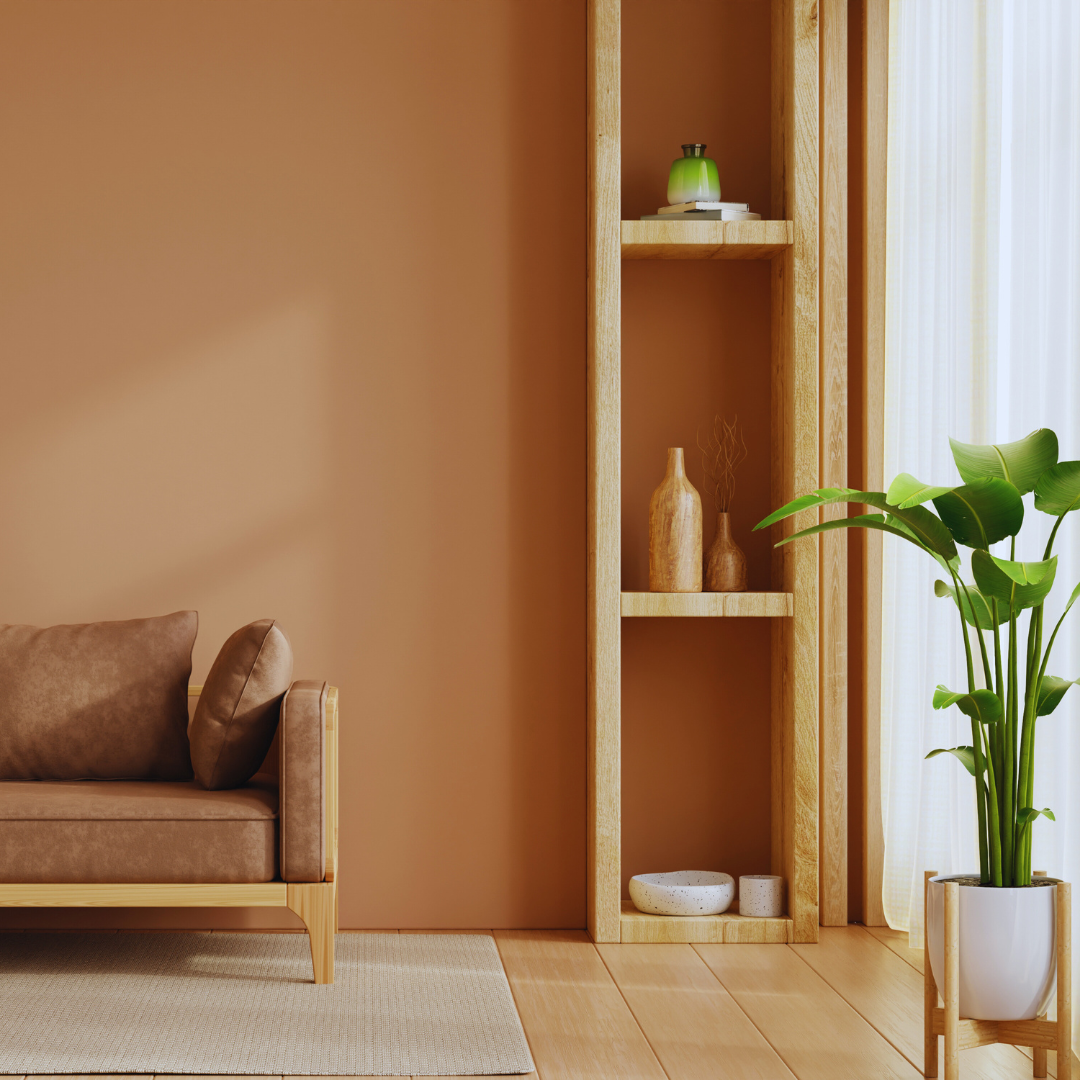
Interior Paint Colors That Make Small Rooms Look Bigger
Choosing the right paint color can transform any space, especially small rooms. Light and neutral shades, such as soft whites, pale grays, and muted pastels, can create the illusion of a larger area by reflecting more light and minimizing visual barriers. By carefully selecting a color palette, one can enhance the overall interior design while ensuring the space feels open and inviting.
Accent walls can also play a role in making a small room feel larger. A strategically placed darker color on one wall adds depth without overwhelming the space. This method draws the eye and creates a focal point, further contributing to the feeling of spaciousness.
Incorporating colors inspired by nature, such as light blues and greens, can evoke a sense of tranquility while enhancing the perception of space. These colors can bring an airy quality to the room, opening it up and making it feel more expansive.
Understanding How Paint Colors Influence Room Perception
Paint colors significantly affect how space is perceived, especially in smaller rooms. Lighter hues, the interplay of light, and psychological associations all contribute to creating a sense of openness.
The Psychology of Color and Space
Colors have a psychological impact on the way individuals perceive space. For example, cool colors like blues and greens tend to recede, creating an illusion of depth. Warm colors, such as reds and oranges, can make walls feel closer, potentially making a room feel smaller.
Additionally, different colors evoke various emotions. Light and neutral tones can convey calmness and serenity, fostering an open atmosphere. In contrast, darker colors can create a cozy effect but may also feel constricting in small spaces. Careful selection of colors can enhance the perception of space, transforming an ordinary room into an inviting area.
Why Light Colors Make Rooms Feel Larger
Lighter colors reflect more light, making spaces feel airy and open. Shades such as soft whites, beiges, and light pastels can brighten a room, making it feel larger than its actual dimensions. When light colors are applied to both walls and ceilings, they can blur the boundaries of the room, leading to a seamless transition between surfaces.
This technique emphasizes verticality, drawing the eye upwards and enhancing the sense of height. Consequently, small rooms painted in these tones often appear more spacious and inviting, allowing for better functionality and flow.
The Role of Natural and Artificial Light
Natural light interacts with paint colors to further influence room perception. Bright, naturally lit rooms enhance the effects of light paint colors, amplifying the spacious feel. Positioning mirrors strategically can also reflect light and enhance the room’s brightness.
Artificial lighting plays a crucial role, too. Using warm LED bulbs can complement lighter shades and enhance their reflective qualities. In contrast, harsh, cold lighting can diminish the effects of carefully chosen colors. Using both natural and artificial light effectively can maximize the impact of paint colors, offering a harmonious balance in small spaces.
Best Interior Paint Colors That Make Small Rooms Look Bigger
The choice of paint color can significantly influence how spacious a room feels. Lighter shades and specific hues can create an illusion of openness, allowing small spaces to appear larger and more inviting.
Top Light Colors for Expansive Effects
Light colors can enhance the perception of space in a small room. Soft pastels such as pale blue, mint green, and blush pink can create a sense of tranquility while reflecting light.
These colors allow light to bounce off walls, thereby creating the illusion of depth. Additionally, light grays and beige shades can serve as versatile backdrops that complement various decor styles. For a more modern look, consider shades like light lavender or soft peach. These hues maintain brightness while introducing subtle warmth to the environment.
Choosing the Right Neutral Colors
Neutral tones offer an understated elegance that works well in compact spaces. Utilizing soft cream, taupe, or beige can provide a warm base without overwhelming the room. These shades help create a cohesive look across various design elements. They also work effectively with both natural and artificial light, enhancing brightness.
Incorporating darker neutral accents, such as charcoal or deep brown, can add depth without constricting the space. To maintain an airy feel, opt for a high-gloss finish on neutral colors. The glossiness further reflects light, contributing to a more expansive atmosphere.
Creating an Airy Atmosphere with Whites and Off-Whites
Whites and off-whites are classic choices for maximizing perceived space. A pure white paint can make walls feel nearly invisible, allowing features like furniture and artwork to take center stage. Off-white shades, such as ivory or cream, introduce warmth while still promoting openness. These colors minimize visual clutter and complement varied decor styles that often inhabit smaller rooms.
Different finishes can also enhance the airy feel. Matte finishes can offer a soft look, while satin or eggshell finishes can reflect light effectively. Pairing these colors with strategically placed mirrors can amplify the light and further open up the space.
Optimizing Your Color Palette for Small Spaces
Choosing the right color palette is essential for making small rooms appear larger. Effective use of wall and ceiling colors, along with strategic placement of accent colors, can create an illusion of space.
Combining Wall and Ceiling Colors for Height
To enhance the perceived height of a small room, it is important to blend wall and ceiling colors. Using the same or similar shades for both surfaces creates a seamless transition that draws the eye upward.
Suggestions:
- Light colors on both walls and the ceiling can make a room feel airy.
- Soft pastels or neutral tones are optimal choices for this approach.
Painting the ceiling a shade lighter than the walls can also be effective. This trick creates depth and encourages an open feel. Avoid dark or contrasting colors that can make the ceiling feel lower.
Accent Walls and Strategic Color Placement
Incorporating accent walls is a powerful technique for small spaces. A single wall painted in a bold color can provide visual interest without overwhelming the room.
Tips for using accent walls:
- Choose a wall that naturally draws the eye, such as the one behind furniture.
- Opt for colors that complement the overall color palette.
Divide visually busy patterns from solid colors to maintain harmony. Careful placement of additional decor in the same color family can tie the look together without compressing the space. Consider using mirrors alongside accent walls for an added effect of depth.
Interior Design Tips for Maximizing Space with Paint
When selecting paint for small rooms, strategic choices can create an illusion of more space. Careful consideration of finishes and coordinating décor can enhance the overall effect of the paint colors.
Selecting Finishes to Reflect Light
Choosing the right finish is crucial in maximizing light reflection. Glossy and satin finishes are effective as they bounce light around the room, brightening the space. In contrast, flat finishes absorb light, potentially making a room feel smaller.
For optimal results, consider using a semi-gloss finish on trim and moldings. This contrast can delineate spaces without overwhelming them. Additionally, lighter shades can amplify the effect of these reflective surfaces. Choosing paint colors like soft whites, pale grays, and pastels can enhance the luminosity of the room while maintaining a spacious feel.
Coordinating Décor and Paint Choices
To enhance the perception of space, it’s important to coordinate the paint with the room’s décor. Selecting a monochromatic palette simplifies visual transitions, making the room feel seamless. This approach can eliminate distractions and create a continuous flow, which is essential in small areas.
Incorporating elements like mirrors can further complement paint choices. They not only reflect light but also add depth. Using similar tones on furniture and wall colors can also unify the space, reinforcing an airy ambiance without cluttering the visual scene.
