Smart Home Technology Trends Every Homeowner Should Know
Smart home technology continues to transform the way homeowners manage their living spaces. From security systems to energy management, these innovations aim to enhance convenience, efficiency, and comfort. Staying informed about the latest trends in smart home technology can empower homeowners to make knowledgeable decisions that improve their quality of life.
As the smart home market expands, a variety of devices and systems become available. Trends such as voice-activated controls, integrated smart appliances, and advanced security solutions are becoming mainstream. Homeowners who understand these developments can take advantage of technological advancements that suit their needs.
By embracing smart home technology, homeowners not only increase their property value but also create a more connected and efficient environment. Keeping an eye on emerging trends ensures they remain at the forefront of this evolving landscape.
Core Innovations in Smart Home Technology
Smart home technology is rapidly evolving, driven by innovations that enhance convenience, security, and efficiency for homeowners. Key developments include advanced smart devices, voice-activated controls, and seamless IoT integration.
Smart Devices and Connected Ecosystems
Smart devices serve as the backbone of a connected home, enabling automation of everyday tasks. From smart thermostats to security cameras, these devices can communicate with one another, creating an integrated ecosystem. Homeowners benefit from remote control and monitoring through smartphone apps, providing flexibility and peace of mind.
Many devices support automation routines, such as adjusting lights based on time of day or locking doors when the homeowner leaves. Popular brands, including Nest and Philips Hue, offer products that enhance energy efficiency and safety, engaging users with intuitive design.
Voice-Activated Controls and AI Assistants
Voice-activated controls have transformed how homeowners interact with their devices. AI assistants like Amazon Alexa and Google Assistant allow users to manage their smart home using simple voice commands. This innovation enhances convenience, enabling users to control lights, adjust thermostats, or play music without needing to physically interact with devices.
These assistants leverage machine learning for improved personalization. They can learn user preferences over time, making daily tasks easier. Additionally, compatibility with various smart home devices allows for smooth integration, creating a more cohesive smart home experience.
Internet of Things (IoT) Integration
The Internet of Things (IoT) is central to smart home technology. It enables devices to communicate over the internet, facilitating seamless interactions and data sharing. This connectivity is crucial for homeowners seeking to create a fully automated environment.
IoT integration helps optimize energy usage and enhances security through real-time monitoring. Devices can alert homeowners to unusual activity, such as a door left unlocked or unusual temperature changes. As IoT technology improves, the ability for devices to work together more effectively continues to expand, offering greater control and convenience.
Smart Security and Safety Solutions
Smart security and safety solutions enhance protection for homeowners through advanced technology. These innovations improve surveillance, access control, and environmental safety, ensuring peace of mind.
Home Security Systems and Surveillance
Modern home security systems integrate smart technology for reliable monitoring. These systems often include video doorbells, smart surveillance cameras, and motion sensors that send alerts directly to a homeowner’s device.
Video doorbells provide real-time video feeds of doorways, allowing owners to see who is at their door remotely. Surveillance cameras can be placed both indoors and outdoors, providing a comprehensive view of the property.
Motion-detecting notifications are critical features that alert homeowners of any unusual activity. Many smart security products offer cloud storage, enabling users to review footage at any time. This advanced monitoring can potentially lower insurance premiums by enhancing home security.
These savings are often available because insurance companies see smart homes as lower risks. Many people search for home insurance near me to find local agents who can explain these benefits. A local expert has the knowledge to match your specific security setup with the right policy discounts. This makes the investment in new technology even more valuable for your budget.
Smart Locks and Access Control
Smart locks grant homeowners the ability to manage access to their property securely. These locks often utilize keyless entry systems, allowing owners to unlock doors using smartphones or codes. A notable feature is the ability to create temporary access codes for guests or service personnel. This adds convenience while increasing security, as homeowners can easily revoke access when needed.
Some smart locks also include features such as tamper alerts and audit trails to track who accessed the home and when. This level of control helps mitigate risks associated with traditional key systems.
Integrated Smoke, Gas, and Leak Detection
Integrated detection solutions are vital for enhancing safety. Smart smoke detectors offer alerts via smartphone notifications in case of smoke or fire, allowing immediate action even when homeowners are away. Gas leak detection systems monitor for hazardous substances like carbon monoxide and natural gas. These devices provide notifications and automatic shut-off features to prevent dangerous situations. Alternatively, for urgent situations where safety may be at risk, one can seek immediate professional services that specialize in detecting and repairing leaks. In such cases, one can learn more about services that can provide emergency support and guidance on handling potential gas leaks safely.
Leak sensors placed near water sources detect excess moisture and can alert owners to potential flooding. Flow monitors track water usage, identifying leaks before they become significant issues. Ensuring these systems are in place contributes to a safer living environment.
Energy Efficiency and Sustainable Smart Homes
Energy efficiency and sustainability are increasingly important in smart home technology. Homeowners can utilize various advanced systems and appliances that significantly reduce energy consumption while promoting eco-friendly practices.
Smart Thermostats and Climate Control
Smart thermostats enhance climate control by optimizing heating and cooling schedules based on homeowner habits. Models that are Energy Star-certified can further decrease energy costs by automatically adjusting temperatures during non-occupancy periods.
These devices can be controlled remotely via smartphone apps, allowing users to monitor and manage their home climate even when away. Some advanced systems utilize machine learning to better understand user preferences, making proactive adjustments to optimize comfort and efficiency. Compatibility with zoned heating solutions also allows precise climate management in various home areas.
Energy Management and Consumption Monitoring
Home energy management systems track energy consumption in real-time, providing insights into usage patterns. This data empowers homeowners to make informed decisions about their energy habits, potentially lowering costs.
Smart sensors now extend beyond electricity and water to include fuel storage. Many homes that rely on gas for heating or cooking use remote monitoring tools to track their supply levels. These systems send data to providers to manage residential propane delivery so the homeowner does not have to check a gauge. This type of automation helps prevent fuel shortages during cold weather. It also removes the need for manual scheduling or emergency refills.
Additionally, these systems often feature user-friendly dashboards that display comparisons of past usage, costs, and forecasts. Smart plugs and energy monitors can identify energy hogs within the home, enabling effective management of energy resources. Regular monitoring encourages residents to adopt more sustainable habits, further enhancing the home’s efficiency.
Sustainable Appliances and Lighting Solutions
Smart appliances play a key role in sustainability by utilizing less energy and water compared to traditional models. Many smart appliances are designed to operate efficiently during off-peak energy hours, reducing strain on the grid and energy costs.
Smart lighting systems allow for automation and remote control of lighting, leading to significant energy savings. Homeowners can program lights to turn off when not needed or set timers based on usage patterns. Incorporating LED technology into these systems further enhances energy efficiency, as LEDs consume considerably less power than incandescent bulbs and last longer.
Emerging Trends and the Future of Smart Living
The landscape of smart living is rapidly evolving, with advancements reshaping how homeowners interact with their living spaces. Emerging technologies in health, automation, and user experience are becoming essential in creating efficient and comfortable environments.
Health Tech and Wellness Devices
Health tech is making significant strides in smart homes. Devices such as smart scales, sleep trackers, and wearable fitness monitors provide continuous health insights. These devices often sync with mobile apps to offer personalized wellness recommendations.
Smart home technology can also include air quality monitors and HVAC systems that adjust based on health data. These features ensure better living conditions, directly impacting residents’ health. As this technology advances, options for health monitoring will likely expand, integrating seamlessly into daily routines. Meanwhile, to complement these health-focused features, residents can also turn to the best mold removal companies and hire professional air duct cleaning services to ensure their indoor environment stays safe and clean.
Automation in Everyday Living
Home automation encompasses various smart devices that enhance convenience. Robotic vacuums are a prime example; they can clean floors on a schedule or be controlled via mobile apps. This level of automation allows homeowners to focus on other priorities.
Touchless appliances, such as faucets and soap dispensers, are gaining traction for their hygiene benefits, particularly in kitchens and bathrooms. Further, smart lighting can be automated to adjust based on occupancy, enhancing energy efficiency and comfort.
Predictive Maintenance and Advanced Monitoring
Predictive maintenance tools are emerging as essential components of smart living. These tools utilize sensors to monitor appliances and systems, alerting homeowners to potential issues before they escalate. For example, smart water leak detectors can prevent water damage by alerting residents to leaks immediately.
Moreover, HVAC systems equipped with predictive analytics can optimize performance, reducing energy consumption. This proactive approach helps maintain home systems efficiently, translating into cost savings and increased longevity of appliances.
User Experience: Mobile Apps and Integration
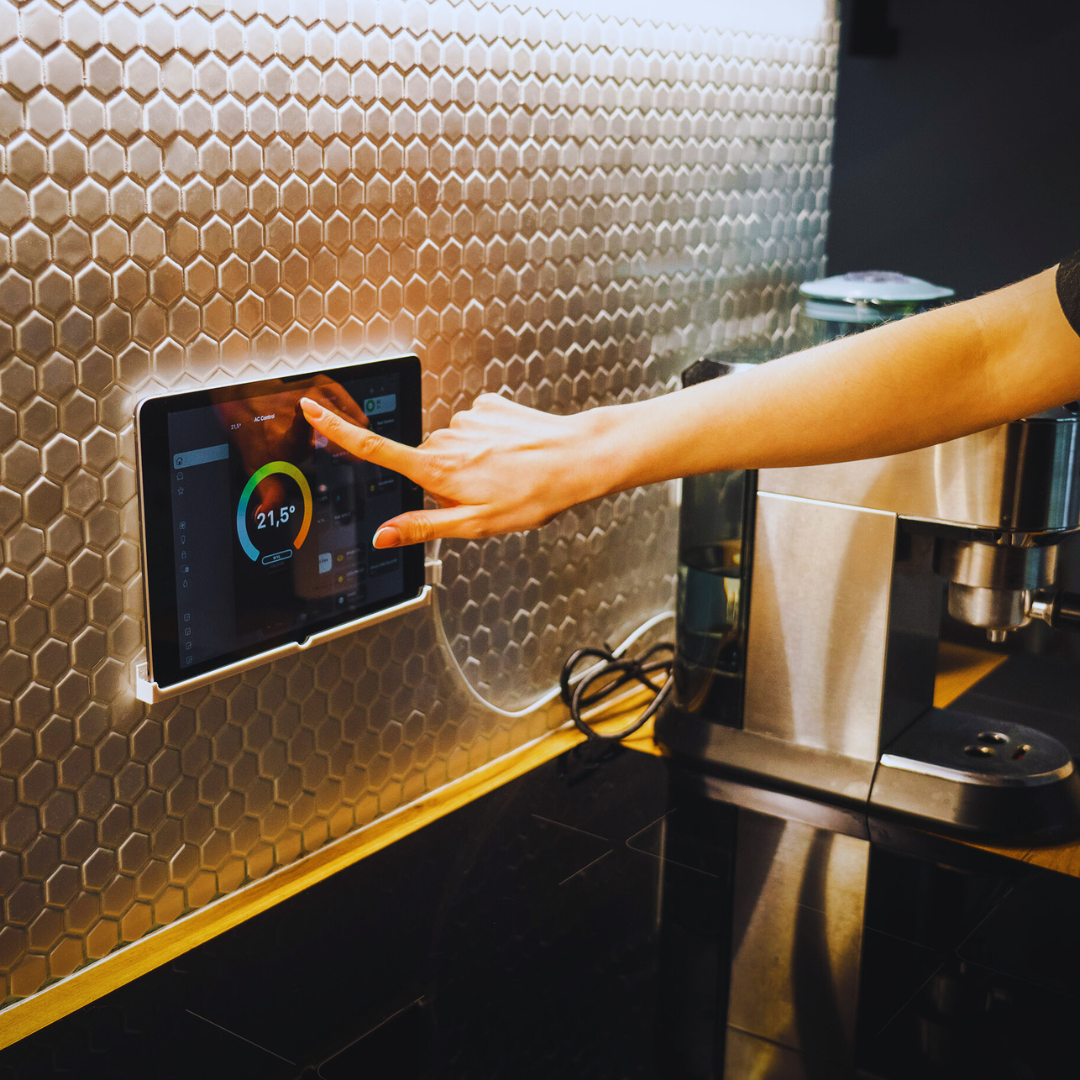
User experience in smart homes significantly hinges on mobile app integration. Centralized apps allow users to control multiple smart devices from one interface, simplifying interaction. These apps often feature intuitive designs, enabling users to customize settings for their preferences.
Interoperability is also crucial. Devices from different manufacturers must communicate effectively for a cohesive experience. This connectivity supports a truly smart environment where homes adapt to their occupants’ lifestyles, ensuring convenience and functionality.
