
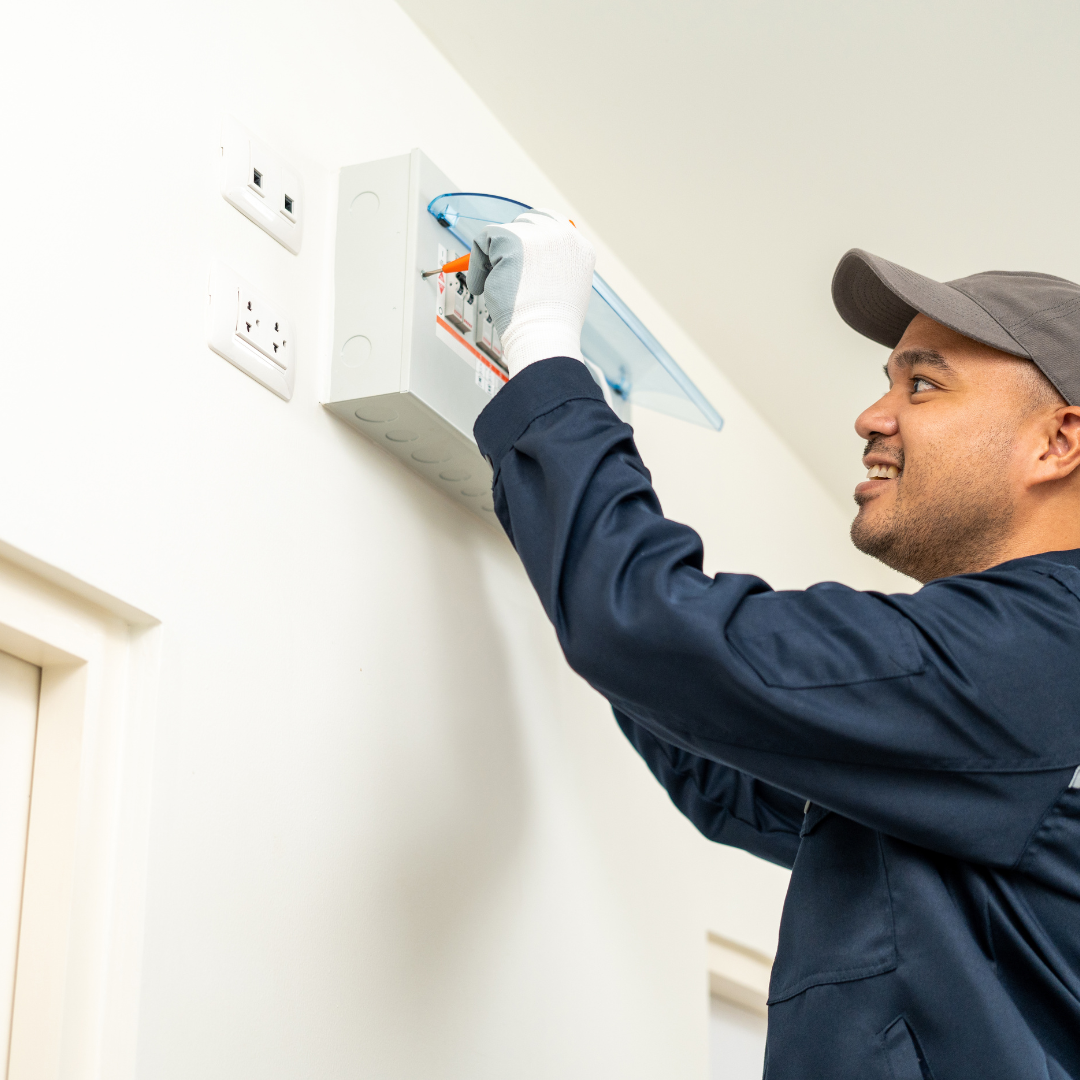
How to Detect Early Signs of Electrical Hazards in Older Homes
Owning an older home brings a lot of charm – the architecture, the history, and that unique character. But let’s face it, with that charm comes responsibility, especially when it comes to keeping things safe. One critical area to focus on is the electrical system.
As a house ages, so does its wiring, outlets, and other electrical components, potentially leading to hazards that could cause serious problems like fires. The good news? You can often catch the warning signs of electrical hazards early before they escalate so you can call in an electrician Melbourne Florida, or elsewhere, to sort the issues out without it escalating.
In this post, we’ll explore common signs of electrical issues in older homes. If you spot any of these, it may be time to take action before a small problem becomes a dangerous situation.
Flickering or Dimming Lights
Ever notice your lights flicker or dim when you turn on a certain appliance? While it may seem like just another quirk of an old house, flickering lights can be a sign of deeper issues. Over time, wiring can fray, loosen, or simply struggle to keep up with modern electrical demands.
Loose wiring is a common cause, especially in older homes where connections may have deteriorated over time. If your lights flicker when certain appliances are used, it might be a sign that the circuit is overloaded. This is particularly likely in homes that weren’t built with modern appliances in mind.
It’s also possible that a faulty light switch or fixture could be to blame. But whatever the cause, consistent flickering or dimming should never be ignored. Therefore, if you notice this happening frequently, it’s time to call a licensed professional from a reliable firm like Clements Electric. Taking this proactive step ensures that any necessary repairs or upgrades are handled safely and efficiently, safeguarding your home against potential electrical hazards.
Circuit Breakers Tripping Too Often
Your circuit breaker is there to protect your home from electrical overloads. When the system detects an issue, it “trips” and shuts down power to prevent overheating or fire. While it’s normal for a breaker to trip occasionally, frequent occurrences signal a larger problem.
Older homes weren’t built for today’s electricity-hungry gadgets and appliances, so if your breakers are constantly tripping, your electrical system may be overworked. It could also mean that a wire or device is short-circuiting.
An outdated breaker panel might not have the capacity to handle modern electrical needs. In any case, if your circuit breaker is frequently tripping, it’s best to have an electrician check it out and determine if an upgrade is necessary.
Warm or Discolored Outlets
One of the most obvious signs of an electrical hazard is a warm or discolored outlet. Outlets should never feel hot to the touch, and if they do, there’s a chance that too much electricity is flowing through them or that the wiring behind the outlet is overheating. Scorch marks or discoloration around an outlet are even more serious signs that need immediate attention.
The heat could be caused by loose wiring connections, which increase resistance and generate heat. Outlets may also overheat when too many high-power devices are plugged in, leading to dangerous conditions. If you notice any of these symptoms, it’s important to stop using the outlet and have it inspected by professionals like Milestone Electric, A/C, & Plumbing right away.
Buzzing or Humming Noises from Fixtures
Electricity should always be silent. If you’re hearing buzzing or humming noises coming from outlets, light switches, or fixtures, something is off. These sounds are often caused by loose wiring or electrical arcing, which can lead to overheating – a serious fire hazard.
Loose connections are a common culprit behind buzzing sounds, but sometimes the issue is deeper, such as an improperly grounded electrical system. In either case, the presence of buzzing indicates that your system is malfunctioning, and it’s important to have it checked out immediately.
Unexplained Burning Smell
There’s nothing more alarming than smelling something burning in your home without knowing where it’s coming from. If you ever notice this and can’t trace the source, it’s time to take immediate action. Electrical fires often start with overheating wires or outlets, and the smell of burning plastic or insulation can be an early indicator.
A burning smell is usually caused by overheated wiring. As wires get too hot, the insulation around them can melt, which gives off that telltale odor. Sparking outlets or switches can also create this smell. This is not a situation to take lightly – if you smell burning, turn off the power and contact an electrician as soon as possible.
Outdated, Non-Grounded Outlets
Older homes often come with two-prong outlets, which are not grounded. While this might seem like a small issue, grounding is crucial for preventing electric shocks. In a properly grounded system, excess electricity is safely redirected into the ground, protecting you from harm.
If your home is full of two-prong outlets, it’s a good idea to consider upgrading to grounded, three-prong outlets. Not only is this safer, but it’s also more compatible with modern appliances. An upgrade to grounded outlets will significantly reduce your risk of electrical shock or fire, especially when dealing with older electrical systems.
Final Thoughts: Prioritize Safety
The electrical system in an older home isn’t something to take for granted. While it’s easy to dismiss flickering lights or buzzing noises as minor quirks, these can be early signs of much bigger problems. Ignoring these warning signs could put your home – and your family – at risk.
If the problems keep piling up and upgrading the entire system seems too costly or complicated, it may be worth exploring other options before deciding to move. In some cases, investing in major home upgrades, including electrical rewiring as part of broader house renovations in Edmonton or similar areas, can restore safety and add long-term value to your property. Of course, renovation isn’t always simple or affordable, especially in older homes where hidden structural or wiring issues may surface. When safety becomes a serious concern, particularly with something as critical as electricity, it’s important to weigh your options carefully and act responsibly rather than continuing to live in a potentially hazardous environment.
And if you’re still worried about what to do with your old property, there’s a practical solution. You can reach out to a local Denver real estate company, or elsewhere, that buys homes for cash. They can take the property off your hands quickly, allowing you to move forward safely and stress-free while ensuring your family’s well-being remains the top priority.
By staying aware and paying attention to potential electrical hazards, you can take steps to fix small issues before they turn into something far more dangerous. Get a professional involved and keep your home’s charm intact while ensuring it’s as safe as possible. And if the issues seem beyond repair or the cost of upgrading feels overwhelming, don’t hesitate to explore alternative solutions—such as moving to a new place. Sometimes, prioritizing safety means making a tough but wise decision for your peace of mind and your family’s well-being.
