
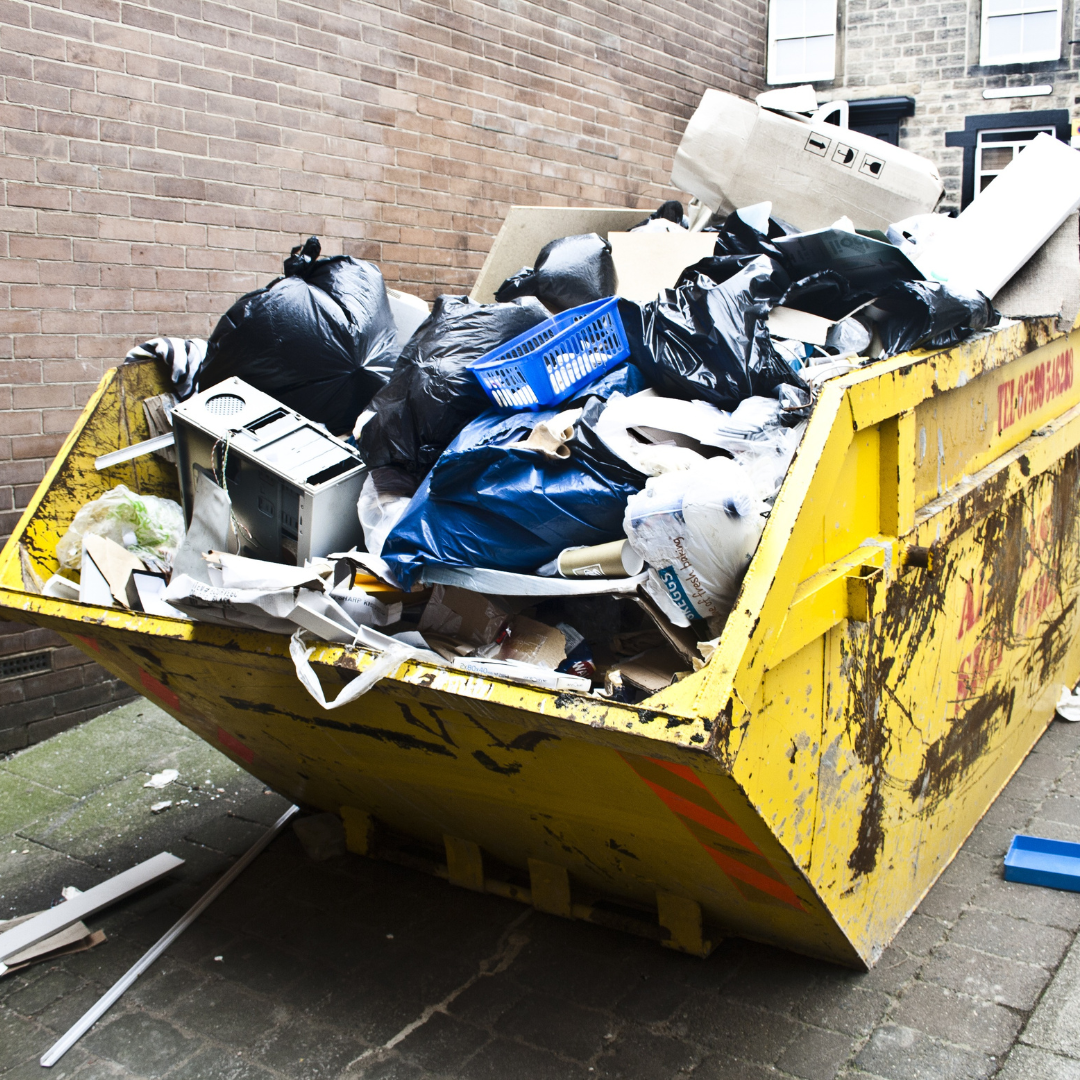
Waste Collection Tips for New Business Owners
Starting a new business is an exhilarating journey. Between perfecting your product or service and attracting your first customers, there’s a lot on your plate. But have you given much thought to waste collection? It might not be the most glamorous part of running a business, but it’s essential. Let’s chat about some practical tips to handle waste collection efficiently.
Why Waste Management Matters
Effective waste management is crucial for several reasons:
- Health and Safety – Proper waste disposal keeps your workspace clean and safe.
- Regulatory Compliance – Staying compliant with local waste disposal regulations avoids fines.
- Environmental Responsibility – Managing waste responsibly minimises your business’s environmental impact.
- Cost Efficiency – Efficient waste management can save your business money in the long run.
Tip 1: Use a Professional Waste Collection Service
One of the best decisions you can make is to hire a professional for waste collection in London. Here’s why:
- Expertise – These services know the ins and outs of waste management, ensuring your waste is disposed of properly.
- Convenience – Save yourself the hassle of dealing with waste and focus on running your business.
- Regular Pickups – Consistent and reliable waste collection schedules prevent build-up and keep your premises clean.
- Recycling Options – Many professional services offer recycling solutions, helping you reduce your environmental footprint.
Tip 2: Understand Your Waste Types
Not all waste is created equal. Different types of waste require different disposal methods. Here’s a quick breakdown:
- General Waste – This includes everyday rubbish such as food wrappers, used tissues, plastic bags, and other non-recyclable materials. These items usually end up in landfills and should be disposed of properly to prevent environmental pollution. It’s the most common type of waste generated in offices.
- Recyclable Waste – These are items like paper, cardboard, certain plastics, metal cans, and glass bottles that can be processed and reused. Separating recyclables from general waste helps reduce landfill pressure and supports environmental sustainability. Always check your local recycling guidelines to know what can be accepted.
- Hazardous Waste – This includes items that pose a risk to human health or the environment, such as batteries, paint, chemicals, or old electronics. They require special handling and should never be thrown in regular bins. For such items, Emergency Waste Disposal & Cleanup services are essential to ensure safe and responsible removal.
Understanding the types of waste your business generates is crucial for effective management and proper disposal. For instance, if you run a shooting range, you need to address hazardous lead contamination, which often requires specialized disposal methods to prevent environmental harm.
In this case, a reliable shooting range maintenance service can help you by thoroughly cleaning and disposing of lead dust, bullet fragments, and other hazardous materials, ensuring both environmental safety and regulatory compliance.
Similarly, if you operate an automotive repair shop, you typically handle hazardous waste such as used motor oil, antifreeze, and old tires, all of which require careful handling to prevent contamination and avoid legal penalties. By recognizing these specific waste management needs, you can implement tailored strategies to minimize environmental impact while staying compliant with regulations.
Of equal importance for many businesses is selecting the right bin liners to handle the specific wastes you produce. Matching bag material and strength — for example choosing high-density (HDPE) bags for sharp or heavy refuse and low-density (LLDPE) liners for stretch and puncture resistance — can prevent spills and reduce frequent bag changes.
Also consider dimensions and capacity: appropriately sized Trash bags mean fewer wasted bags and simpler collection rounds. If you’re unsure which type will suit your operations, suppliers can advise on the best combination of material and size to both protect staff and minimise plastic use.
Tip 3: Implement a Recycling Programme
Starting a recycling programme in your business is easier than you might think. Here’s how you can do it:
Set Up Recycling Stations
Place separately labelled waste bins around your workplace. They don’t need to be anything special when you’re starting out, your employees just need to know that waste needs separating. Make it easy for employees to separate recyclables from general waste. Once you’ve got staff familiar with these, you could even invest in specialised recycling bins for your office helping to further reduce your businesses environmental impact and encouraging proper waste disposal.
Educate Your Team
Educate your employees about the importance of recycling and how to do it correctly. Regular reminders and updates can keep everyone on track.
Monitor and Adjust
Keep an eye on how well your recycling programme is working. Make adjustments as needed to improve efficiency and effectiveness.
Tip 4: Reduce Waste Production
The best way to manage waste is to produce less of it in the first place. Here are some strategies:
- Go Digital – Reduce paper waste by using digital documents and communication.
- Bulk Purchasing – Buy supplies in bulk to reduce packaging waste.
- Reusable Items – Opt for reusable cups, cutlery, and containers instead of disposable ones.
Tip 5: Compost Organic Waste
If your business generates organic waste, like food scraps or garden clippings, consider composting. Composting is a fantastic way to reduce waste and produce nutrient-rich soil for plants. Set up a compost bin and encourage employees to contribute their organic waste.
Tip 6: Stay Compliant with Regulations
Each locality has its own waste disposal regulations. Familiarise yourself with these rules to ensure your business stays compliant. This includes:
- Sorting Waste Properly – Follow guidelines for separating different types of waste.
- Proper Disposal Methods – Use approved disposal methods for hazardous waste.
- Keeping Records – Maintain records of your waste management practices in case of inspections.
Tip 7: Conduct Regular Waste Audits
Performing regular waste audits can help you understand your waste production better and identify areas for improvement. Here’s a simple way to conduct a waste audit:
Gather Data
Collect and categorise your waste over a specific period. This will give you a clear picture of what types of waste your business produces.
Analyse
Look at the data to identify trends and areas where you can reduce waste or improve recycling efforts.
Implement Changes
Use your findings to make informed decisions about waste management practices.
Tip 8: Encourage Employee Participation
Your waste management efforts will be more successful if everyone in your business is on board. Encourage employees to participate by:
- Providing Training – Offer training sessions on waste management practices.
- Rewarding Good Practices – Recognise and reward employees who consistently follow waste management guidelines.
- Creating a Green Team – Form a team dedicated to sustainability initiatives, including waste management.
Tip 9: Opt for Sustainable Suppliers
Choosing suppliers that prioritise sustainability can help reduce your overall waste. Look for suppliers that use minimal packaging, offer reusable or recyclable materials, and follow environmentally friendly practices.
Tip 10: Think Long-Term
Consider the long-term impact of your waste management practices. Investing in sustainable waste solutions now can save you money and benefit the environment in the future. Think about how you can continuously improve and adapt your practices as your business grows.
Wrapping Up
Managing waste might not be the most exciting part of running a business, but it’s incredibly important. By following these tips, you can ensure your business handles waste responsibly and efficiently. Remember, a clean and organised workspace is not just good for business – it’s good for the planet too. Implement these practices, involve your team, and watch as waste management becomes a seamless part of your business operations.
